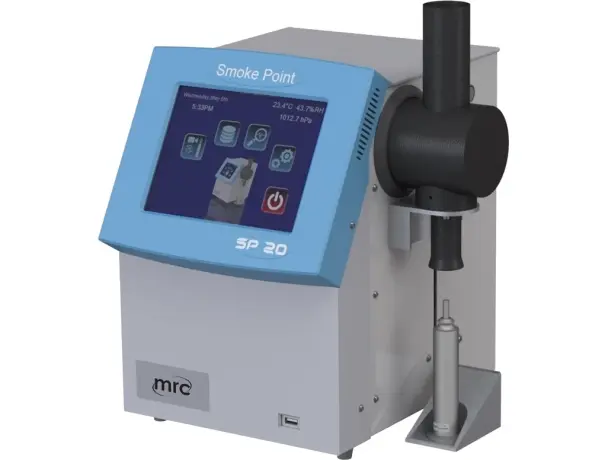
Fuel analyzers are important in ensuring the quality, safety, and performance of various fuels, including gasoline, diesel, aviation fuels, and lubricants. These advanced instruments help assess multiple properties of fuels, ensuring compliance with industry standards such as ASTM (American Society for Testing and Materials) and NACE (National Association of Corrosion Engineers).
In this article, we will explore five essential fuel analyzers:
- Automated Reid Vapor Pressure (RVP) Analyzer
- ASTM / NACE Corrosion Bath
- Thermal Oxidation Stability of Aviation Fuels (JFTOT)
- Dispersancy of In-Service Engine Oils
- Automated Smoke Point Tester
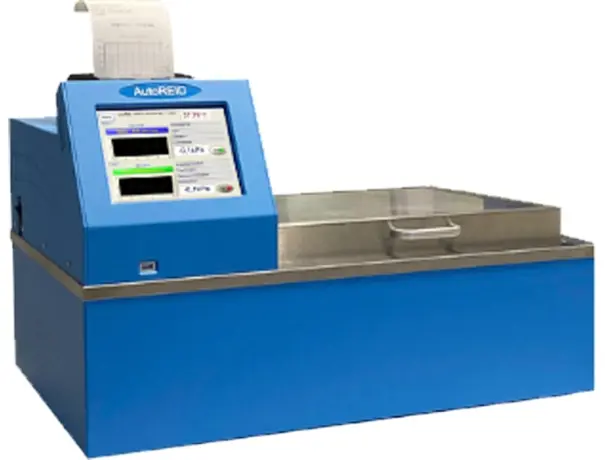
1. Automated Reid Vapor Pressure (RVP) Analyzer
Overview
Reid Vapor Pressure (RVP) is a critical property of volatile petroleum products, including gasoline, crude oil, and LPG (liquefied petroleum gas). The Automated RVP Analyzer is used to measure the vapor pressure of fuels to assess their volatility, safety, and environmental impact.
Key Features
- Fully automated testing process for accurate and repeatable results
- Conforms to ASTM D323, D5191, and D6378 standards
- Precise temperature control and sample handling
- Capable of testing gasoline, crude oil, and LPG
- Helps in fuel blending and compliance with environmental regulations
Importance
The volatility of fuel directly affects engine performance, emissions, and safety. Controlling vapor pressure ensures compliance with regulatory standards, prevents excessive evaporative emissions, and enhances fuel efficiency.
2. ASTM / NACE Corrosion Bath
Overview
Corrosion caused by fuel impurities can lead to severe damage to pipelines, storage tanks, and engine components. The ASTM / NACE Corrosion Bath is designed to evaluate the corrosive effects of fuels on metal components.
Key Features
- Complies with ASTM D665, D7548, and NACE TM0172 standards
- Precise temperature control for accurate corrosion assessment
- Automated sample handling and testing
- High-throughput testing for multiple samples simultaneously
Importance
Corrosion testing is essential for ensuring that fuels do not degrade storage and distribution infrastructure. It also helps manufacturers develop corrosion-resistant fuel formulations and additives.

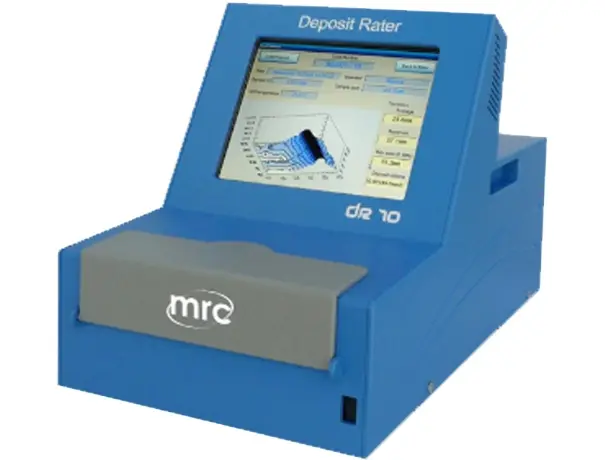
3. Thermal Oxidation Stability of Aviation Fuels (JFTOT)
Overview
Aviation fuels must exhibit high thermal stability to prevent the formation of deposits in aircraft fuel systems. The Jet Fuel Thermal Oxidation Tester (JFTOT) measures the thermal oxidation stability of aviation fuels to predict deposit formation tendencies.
Key Features
- Fully automated operation in accordance with ASTM D3241 standards
- High-temperature fuel exposure to simulate real-world conditions
- Advanced detection systems for deposit formation
- Precise flow control for repeatable results
Importance
The presence of thermal degradation deposits in fuel systems can lead to clogged filters, reduced fuel efficiency, and potential engine failures. JFTOT testing ensures aviation fuel meets stringent quality requirements.
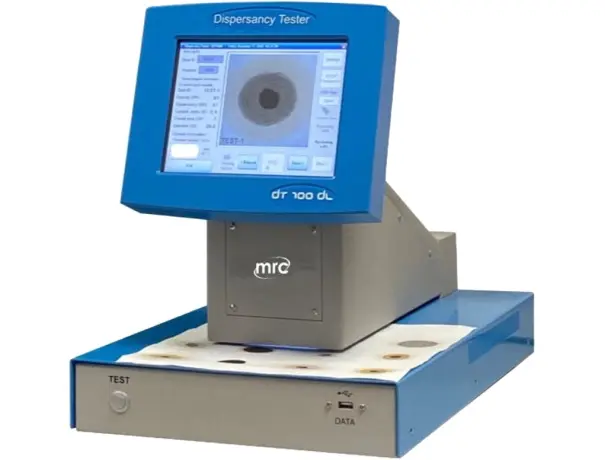
4. Dispersancy of In-Service Engine Oils
Overview
Engine oil must maintain its ability to disperse soot and contaminants to prevent sludge formation. The Dispersancy Tester evaluates the dispersant properties of in-service engine oils, helping to assess oil degradation and maintenance needs.
Key Features
- Compliant with ASTM and industry standards
- Automated sample preparation and analysis
- Real-time monitoring of oil degradation
- Advanced imaging for soot dispersancy assessment
Importance
Effective dispersancy ensures that soot and other contaminants remain suspended in the oil, preventing sludge formation and engine wear. Monitoring dispersancy helps optimize oil change intervals and enhances engine longevity.
5. Automated Smoke Point Tester
Overview
The Smoke Point Tester measures the maximum height of a flame without producing smoke, a key property for assessing the combustion quality of jet fuels and kerosene.
Key Features
- Fully automated operation following ASTM D1322
- Precision optical sensors for flame height detection
- Rapid and repeatable testing
- Integrated calibration and validation features
Importance
A higher smoke point indicates a cleaner-burning fuel with fewer emissions. This is particularly important for aviation fuels, as excessive smoke can lead to carbon buildup in engines and reduced efficiency.