Fuels and Lubricants Analyzers According to Aviation Standards
Flying at 30,000 feet requires more than just a robust aircraft—it demands absolute precision in fuel and lubricant quality. Analyzing these components according to aviation standards is not just a regulatory requirement; it’s a matter of safety and performance
What Makes Aviation Fuels Unique?
Aviation fuels, like Jet A-1 and Avgas, are formulated to withstand extreme temperatures and pressures. They need to burn cleanly, resist freezing, and deliver consistent energy.
Characteristics of Aviation-Grade Lubricants
Aviation lubricants are engineered to perform under high stress, offering thermal stability, anti-corrosion properties, and minimal oxidation.
Common Contaminants and Their Effects
Contaminants like water, dirt, and microbial growth can lead to engine corrosion, reduced efficiency, or even catastrophic failures.
Key Aviation Standards for Fuels and Lubricants
Overview of International Aviation Standards
Global standards, including ASTM D1655 for aviation turbine fuels, ensure consistent quality across the industry.
Key Organizations Setting Standards
Organizations like ASTM International, the International Air Transport Association (IATA), and SAE International define the benchmarks for fuel and lubricant quality.
Essential Parameters for Compliance
Parameters such as flash point, viscosity, and contamination levels are critical for meeting aviation standards.

Types of Fuel Analyzers Used in Aviation
Density and Specific Gravity Analyzers
Fuel density impacts energy content and engine performance. Instruments like hydrometers and oscillating U-tube devices measure these properties.
Flash Point Analyzers
A fuel’s flash point determines its volatility and safety during handling. Closed-cup testers are commonly used.
Viscosity Analyzers
Viscosity affects fuel flow and combustion. Advanced viscometers provide accurate readings for optimal performance.
Technology Advancements in Fuel and Lubricant Analysis
AI-Powered Analyzers
Artificial intelligence enhances precision, identifying patterns undetectable by traditional methods.
Portable Devices for On-Site Testing
Compact, handheld analyzers bring testing capabilities directly to the field, saving time and resources.
Non-Destructive Testing Techniques
Innovations like spectroscopy allow for in-depth analysis without consuming samples.
Oil and Lubricants Analyzers: Essential Tools for Ensuring Compliance with Crude Oil Standards
In the oil and gas industry, maintaining high standards of product quality and operational efficiency is paramount. These sophisticated instruments enable precise measurement of various physical and chemical properties, ensuring that products meet regulatory requirements and perform optimally.
The Importance of Crude Oil Standards
Crude oil standards, established by organizations such as ASTM International, ISO, and API (American Petroleum Institute), serve as benchmarks for quality and performance. These standards ensure the consistency, safety, and usability of crude oil and its derivatives. Key parameters include:
- Viscosity: Affects flow behavior and efficiency in engines and machinery.
- Density and Specific Gravity: Determines the quality and grade of crude oil.
- Sulfur Content: Critical for reducing environmental impact and meeting emissions regulations.
- Flash Point: Indicates safety and flammability characteristics.
- Contaminants: Includes water, sediments, and metals that can affect refining processes and machinery performance.
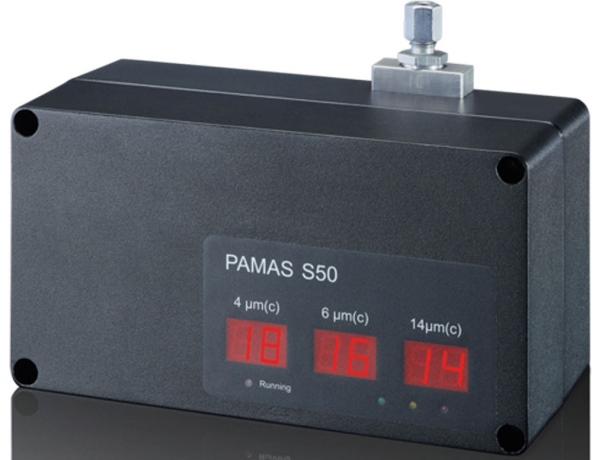
Applications in Industry
Oil and lubricants analyzers are indispensable in various stages of the oil and gas value chain:
- Exploration and Production
- Evaluate crude oil quality at the source.
- Ensure compatibility with refining processes.
- Refining
- Monitor feedstock quality to optimize refining efficiency.
- Ensure end-products meet market and regulatory standards.
- Transportation and Storage
- Assess the stability and safety of stored and transported oil.
- Industrial Maintenance
- Regularly analyze lubricants used in machinery to prevent wear and tear.
- Extend equipment life and reduce downtime.
Fuel Analyzers: Optimizing Efficiency in Pipelines and Terminals
What Are Fuel Analyzers?
Fuel analyzers are advanced instruments designed to measure various properties of fuel, such as density, viscosity, sulfur content, and other chemical compositions. They are essential tools in the oil and gas industry for ensuring product integrity during transfer, storage, and distribution.
Applications in Pipelines
Pipelines are the arteries of fuel distribution, moving vast quantities of oil, gas, and refined products across regions. Fuel analyzers are integrated into these systems to monitor and maintain the quality of the products being transported. Key applications include:
- Quality Assurance:
- Ensures that the fuel meets industry standards and specifications.
- Detects impurities or deviations in composition that could affect downstream processes.
- Leak Detection:
- Monitors changes in fuel properties to identify potential leaks.
- Enhances safety and minimizes environmental risks.
- Flow Optimization:
- Analyzes viscosity and density to optimize pumping conditions.
- Reduces energy consumption and operational costs.
- Batch Monitoring:
- Tracks different grades of fuel transported through the same pipeline.
- Prevents cross-contamination between products.
Applications in Terminals
Terminals serve as hubs for storing and distributing fuels to various markets. Fuel analyzers at these facilities ensure that stored products maintain their integrity and compliance. Applications include:
- Inventory Management:
- Monitors fuel properties to prevent degradation over time.
- Ensures accurate inventory valuation based on quality metrics.
- Compliance Testing:
- Conducts regulatory checks for sulfur content, emissions potential, and other critical parameters.
- Supports adherence to environmental and industry standards.
- Blending Operations:
- Optimizes the blending of different fuel grades to achieve desired specifications.
- Enhances product uniformity and market readiness.
- Loading and Unloading Processes:
- Ensures that fuel meets quality benchmarks before dispatch or after receipt.
- Minimizes disputes and ensures customer satisfaction.
Technologies Used in Fuel Analyzers
Modern fuel analyzers leverage various technologies to deliver precise measurements:
- Spectroscopy (e.g., NIR, FTIR):
- Measures chemical composition through light absorption properties.
- Provides rapid, non-destructive analysis.
- Chromatography:
- Separates and identifies complex mixtures within fuels.
- Offers high sensitivity for trace components.
- X-Ray Fluorescence (XRF):
- Measures sulfur and other elemental concentrations.
- Widely used for compliance with sulfur regulations.
- Density and Viscosity Sensors:
- Provide real-time data for operational adjustments.
- Critical for pipeline flow management.
Benefits of Fuel Analyzers
- Enhanced Operational Efficiency:
- Reduces downtime and operational bottlenecks through real-time monitoring.
- Improves decision-making with accurate data.
- Cost Savings:
- Minimizes product losses and energy consumption.
- Reduces penalties associated with non-compliance.
- Environmental Protection:
- Ensures adherence to stringent emissions and pollution standards.
- Detects leaks early to prevent ecological harm.
- Improved Product Quality:
- Maintains consistent fuel quality from source to end-user.
- Builds customer trust and loyalty.
Fuel Analyzer and Its Role in Refinery Standards Compliance
The refining industry is a cornerstone of modern energy supply, transforming crude oil into usable fuels such as gasoline, diesel, and jet fuel.
Importance in Refinery Operations
Fuel analyzers are indispensable in refinery operations for several reasons:
- Quality Assurance
Refineries must produce fuels that meet specific standards set by organizations such as ASTM International, the American Petroleum Institute (API), and local regulatory bodies. Fuel analyzers ensure that the final product adheres to these stringent requirements, avoiding penalties and maintaining consumer trust. - Regulatory Compliance
Governments worldwide impose strict regulations on fuel quality to reduce environmental impact and enhance engine performance. For example, the sulfur content in diesel is tightly controlled to minimize emissions. Fuel analyzers provide precise sulfur measurements, ensuring compliance with these environmental standards. - Operational Efficiency
By monitoring fuel characteristics in real-time, refineries can adjust processes to maximize yield and reduce waste. For instance, knowing the exact octane number of gasoline allows operators to optimize blending strategies, improving profitability. - Safety
Parameters like flash point and vapor pressure are critical for safe handling and storage. Accurate analysis of these properties minimizes the risk of accidents and ensures compliance with safety regulations.
Key Standards for Fuel Analysis
Refineries adhere to various international standards to guarantee fuel quality. Some of the most common include:
- ASTM Standards
- ASTM D86: Standard test method for distillation of petroleum products.
- ASTM D2622: Standard test method for sulfur content by wavelength-dispersive X-ray fluorescence spectrometry.
- ISO Standards
- ISO 2719: Determination of flash point.
- ISO 5163: Measurement of octane number for spark-ignition engine fuels.
- EU Standards
- EN 590: Specifications for automotive diesel fuels.
- EN 228: Specifications for unleaded gasoline.
Fuel Analyzers and Their Role in Meeting Military Standards
In modern military operations, fuel quality is critical to ensuring the optimal performance of vehicles, aircraft, and other essential equipment.
The Importance of Fuel Analysis in the Military
Military operations often occur in extreme and variable conditions, where equipment reliability is non-negotiable. Fuel contamination or subpar quality can lead to operational failures, increased maintenance costs, and even mission failure. Meeting military fuel standards, such as MIL-STD-3004 (for petroleum products, lubricants, and related materials), is essential for:
- Operational Readiness: Ensuring engines and turbines function efficiently.
- Equipment Longevity: Preventing wear and tear caused by impurities.
- Safety: Reducing risks of fire, explosion, or equipment malfunction due to poor fuel quality.
Key Features of Fuel Analyzers
Modern fuel analyzers are designed to meet stringent military specifications, offering features such as:
- Comprehensive Testing Capabilities: Analyzing key parameters like density, viscosity, flash point, sulfur content, and water contamination.
- Portable and Rugged Design: Devices built to operate in harsh environments and field conditions, ensuring accuracy even in remote locations.
- Rapid Results: Real-time analysis to facilitate quick decision-making.
- Automation and Data Integration: Advanced models can integrate with military data systems, providing seamless reporting and analysis.