Carbon dioxide (CO2), widely recognized for its environmental impact as a greenhouse gas, is equally critical in specific applications like refrigeration, where it’s known as R744. Monitoring CO2 levels in these contexts is essential to ensure safety, optimize processes, and comply with regulations.
Why Monitor Carbon Dioxide Levels?
Monitoring CO2 isn’t just a regulatory necessity—it’s about keeping people safe and healthy. Elevated CO2 levels can lead to dizziness, headaches, or even asphyxiation in extreme cases. Beyond human safety, managing CO2 helps reduce environmental impact and maintain compliance with global sustainability goals. Gases, whether combustible, toxic, or asphyxiating, pose significant risks to human health and safety. In industrial settings, the accidental release of gases can result in explosions, fires, or exposure to toxic substances. Early detection of these gases is crucial to implementing timely countermeasures, such as evacuation or ventilation.
For instance, gases like carbon monoxide (CO) and hydrogen sulfide (H2S) are highly toxic even at low concentrations. Methane (CH4) and propane (C3H8), on the other hand, are highly flammable and can cause catastrophic explosions if undetected. Gas detectors serve as the first line of defense in identifying these hazards.

Applications of CO2 Detectors
Industrial Use
CO2 detectors are indispensable in industries like food and beverage production, where CO2 is used in carbonation processes.
Commercial Settings
In spaces like restaurants, breweries, and cold storage facilities, these detectors ensure both safety and efficiency.
Residential Applications
Homeowners can benefit from CO2 detectors, especially in energy-efficient homes that may have limited ventilation.
Examples:
- Gas Detection for Enclosed Parking Facilities
- Gas Detection for Warehouses
- Gas Detection for Refrigeration Systems
- Gas Detection for Indoor Pools
- Gas Detection for Hotels
- Gas Detection for Battery Charging Stations
- Gas Detection for Schools
How CO2 Detectors Work
CO2 detectors use advanced sensors to measure gas concentrations. The most common types include:
- Infrared (NDIR) Sensors: Measure CO2 by analyzing light absorption in the infrared spectrum.
- Chemical Sensors: Detect CO2 through chemical reactions, often used in smaller devices.
Choosing the Right Gas Detector
Selecting the appropriate gas detector depends on several factors, including the type of gases present, environmental conditions, and specific application requirements. Key considerations include:
Sensor Type
- Match the sensor technology to the target gas and detection requirements.
-Response Time
- Faster response times are critical in high-risk environments.
-Durability
- Ensure the detector can withstand harsh conditions, such as extreme temperatures, humidity, and physical impacts.
Maintenance and Calibration
- Regular maintenance and calibration are essential for maintaining accuracy and reliability.
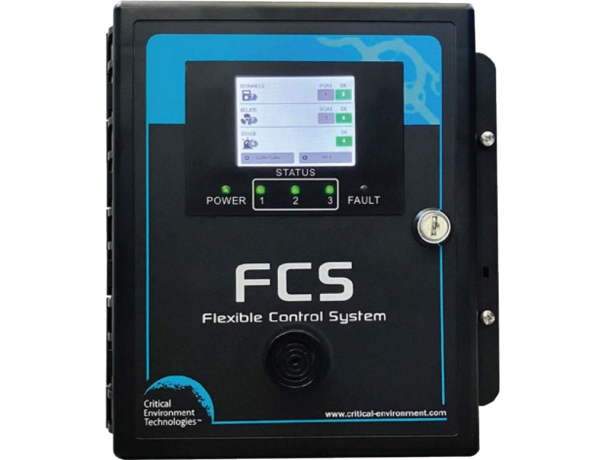
What is an Oxygen Gas Detector?
An oxygen gas detector is a device designed to measure oxygen levels in the air. It alerts users if the oxygen concentration falls below or rises above safe thresholds, helping prevent suffocation, fire hazards, and other oxygen-related risks.
Applications of Oxygen Gas Detectors
Industrial Use CasesOil and Gas Industry: Oxygen detectors help prevent explosions and ensure worker safety during drilling and refining.Manufacturing and Warehousing: They monitor oxygen levels to protect against risks from chemical reactions or leaks.Medical ApplicationsHospitals and clinics use oxygen detectors to maintain safe oxygen levels in operating rooms, ICUs, and patient recovery areas.
Environmental and Safety Monitoring
Oxygen detectors are vital for environmental agencies to ensure compliance with safety standards in public and industrial spaces.Factors to Consider When Choosing an Oxygen Gas DetectorAccuracy and Sensitivity
A high-quality detector must offer precise readings and respond quickly to changes in oxygen levels.Durability and Design
For harsh environments, opt for rugged, weather-resistant models with robust housings.Ease of Use and Portability
User-friendly interfaces and portability are crucial, especially for on-the-go professionals.Benefits of Using Oxygen Gas Detectors
Ensuring Workplace SafetyOxygen detectors mitigate risks, creating a safer environment for workers and the public.Preventing Occupational HazardsDetecting oxygen imbalances early can prevent accidents and health issues caused by prolonged exposure.