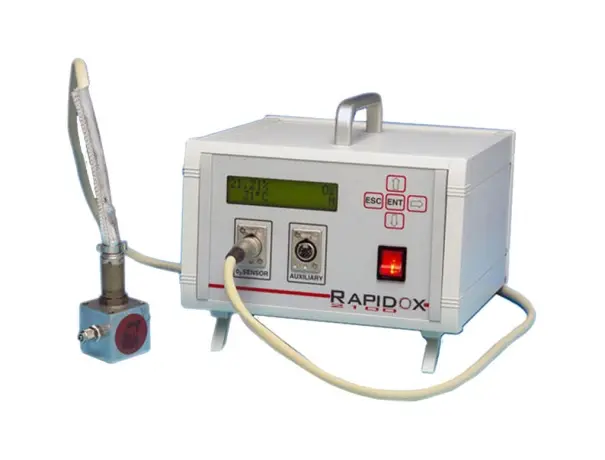
A gas analyzer is a device used to detect, quantify, and monitor the composition of gas mixtures. It works by drawing a sample of air or gas and measuring concentrations of specific gases using integrated sensors. These analyzers can be configured to measure one or multiple gases simultaneously and are used in applications ranging from quality control in manufacturing to environmental monitoring and medical research.
Core Features of a Modern Gas Analyzer
1. Multi-Gas Detection Capability
Most advanced units offer the ability to monitor multiple gases simultaneously. Common target gases include:
- Oxygen (O₂)
- Carbon dioxide (CO₂)
- Carbon monoxide (CO)
- Hydrogen (H₂)
- Methane (CH₄)
- Nitrous oxide (N₂O)
- Sulphur dioxide (SO₂)
2. Sensor Technology Integration
High-performance analyzers use a combination of sensor types, including:
- Zirconia sensors for high-precision oxygen measurement
- Electrochemical sensors for toxic gas detection
- NDIR (Non-Dispersive Infrared) sensors for carbon-based gases like CO₂ and CH₄
- Thermal conductivity detectors for binary gas mixtures
- Paramagnetic sensors for paramagnetic gases like oxygen
Each sensor type is selected based on sensitivity, response time, and gas-specific characteristics.

3. Data Logging & Connectivity
Modern analyzers are equipped with data storage capabilities and allow real-time monitoring and historical trend analysis. Standard connectivity includes:
- USB download
- Ethernet or Modbus over TCP/IP
- Serial interfaces (RS232/RS485)
- Cloud-based access via software integration
4. Customizable Alarms and Output
Users can define threshold-based alarms and configure analog/digital outputs for process control or safety system integration.
5. Portability and Environmental Durability
Gas analyzers are available in both benchtop and portable formats. Portable versions typically include:
- Built-in rechargeable batteries
- Touchscreen interfaces
- Ruggedized enclosures (often IP-rated for dust and water resistance)
- Sampling pumps or passive flow options
Applications Across Industries
1. Energy & Power Generation
Gas analyzers are widely used in monitoring gas turbines, optimizing combustion, and controlling emissions in power plants.
2. Environmental Monitoring
They are important in air quality assessments, landfill gas analysis, and regulatory compliance for greenhouse gas emissions.
3. Manufacturing & Process Control
Gas analyzers help maintain precise atmospheres in heat treatment, welding, semiconductor fabrication, and pharmaceutical production.
4. Scientific Research
In universities and R&D facilities, analyzers support gas composition studies, catalytic research, and material behavior in various atmospheres.
5. Medical & Biotech
Used in fermentation control, anesthesia gas monitoring, and laboratory incubators, they ensure both safety and consistency in biological processes.
Advanced Features for Specialized Needs
Some analyzers now offer:
- Onboard calorific value calculators for energy gas mixtures
- Integrated thermocouples for synchronized temperature readings
- Vacuum-compatible configurations for low-pressure chambers or gloveboxes
- Custom gas blending validation tools for industrial gas distributors