The heat index, often called the "feels-like temperature," measures how hot it feels when relative humidity is factored in with the actual air temperature. It is crucial for assessing the risk of heat-related illnesses.
Difference Between Heat Index and Temperature
While temperature is a direct measure of heat, the heat index incorporates humidity, which can significantly affect how we perceive warmth. For instance, a 90°F day with 70% humidity feels much hotter than a 90°F day with 30% humidity.
How They Work
Heat index meters use sensors to measure air temperature and relative humidity. They then calculate the heat index using a specific formula, providing real-time readings.
What contains Heat Index Meters
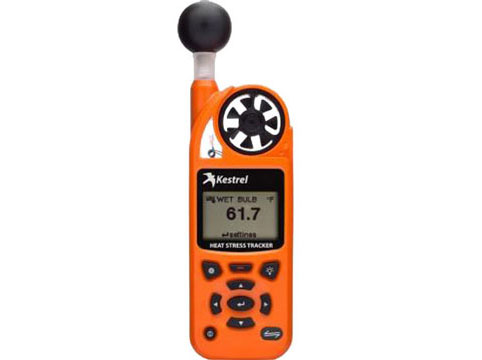
Typical components include a temperature sensor, humidity sensor, and a digital display. Advanced models may also feature data logging capabilities and Bluetooth connectivity.
Purposes of Heat Index Meters
Use in Meteorology
Predicting Weather Extremes
Meteorologists rely on heat index meters to issue warnings during heatwaves, helping communities prepare and stay safe.
Enhancing Public Safety
By identifying dangerous heat conditions, these tools help reduce heatstroke incidents and fatalities.
Industrial and Workplace Applications
Ensuring Worker Safety
Industries like construction and manufacturing use heat index meters to monitor environmental conditions and ensure workers aren't exposed to dangerous heat levels.
Regulations and Compliance
Heat index monitoring is often required by occupational safety regulations to prevent heat-related illnesses in the workplace.
Sports and Outdoor Activities
Preventing Heat-Related Illnesses
Athletes and event organizers use these meters to set safe practice and competition schedules, minimizing risks like dehydration and heatstroke.
Optimizing Performance
By understanding environmental conditions, athletes can adjust their hydration and pacing strategies for optimal performance.
Key Features to Look for in Heat Index Meters
Accuracy and Sensitivity
High accuracy ensures reliable readings, which are essential for safety-critical applications.
Portability and Durability
Compact, rugged designs make these devices suitable for outdoor and industrial use.
Advanced Features (Connectivity, Data Logging)
Modern heat index meters often include wireless connectivity and data storage options, enabling seamless integration with other monitoring systems.
Top Benefits of Using Heat Index Meters
Improved Safety Measures
By providing real-time heat index readings, these meters empower users to take proactive steps to avoid heat-related risks.
Enhanced Efficiency in Monitoring
Automated measurements save time and reduce human error.
Data-Driven Decision Making
Accurate data helps in creating policies and protocols tailored to specific environmental conditions.
Choosing the Right Heat Index Meter
Choosing the right Heat Index WBGT (Wet Bulb Globe Temperature) meter requires careful consideration of several factors to ensure it meets your specific needs. Here are the key steps to help you make an informed decision:
Factors to Consider
Purpose of Use
Determine whether the meter is needed for personal, industrial, or research purposes.
Budget
Prices vary widely, so it’s important to balance cost with required features.
Measurement Parameters:
- WBGT indoors and outdoors
- Heat index
- Relative humidity
- Air temperature
- Globe temperature
- Accuracy: Check the accuracy levels provided for each parameter (± degrees for temperature, ± % for humidity).
- Compliance: Ensure compliance with standards like OSHA, ISO 7243, or ACGIH.
- Range: Select a meter with a temperature and humidity range suitable for your environment.
Environmental Suitability
- Indoor vs. Outdoor Use:
- Outdoor models often include a black globe for solar radiation measurements.
- Extreme Conditions: Rugged meters are better for challenging environments.
Ease of Use
- Display: A clear, easy-to-read digital screen.
- Data Logging: Models with data storage and transfer capabilities (e.g., USB or Bluetooth).
- Portability: Lightweight and compact for field use.
Power Source
- Battery Life: Consider battery life if using it for extended periods outdoors.
- Recharging Options: USB charging or replaceable batteries.