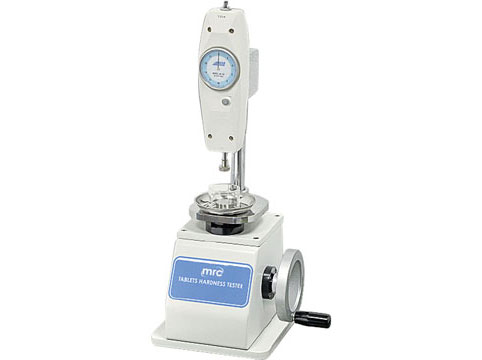
A metal hardness testing machine determines how a material responds to a controlled force applied by a specific indenter. The test result is based on either the depth or the surface area of the indentation created under a defined load.
Different metals and alloys require different testing approaches, and the machine must maintain strict control over force, timing, and measurement conditions. This ensures that results are consistent, repeatable, and comparable across different tests and environments.
These machines are widely used in laboratories, production lines, and inspection environments to ensure that metals meet required specifications. Accurate hardness measurements help prevent material failure, improve product performance, and support compliance with international standards.
Main Hardness Testing Methods
Rockwell Hardness Test
The Rockwell method is one of the most commonly used techniques due to its speed and ease of use. It measures the depth of penetration under a major load and provides a direct hardness value without the need for additional calculations. This makes it highly suitable for production environments where fast results are required.
Brinell Hardness Test
The Brinell method uses a large spherical indenter and is ideal for testing materials with rough or uneven surfaces. It is commonly used for castings, forgings, and materials with coarse grain structures, where other methods may be less reliable.
Vickers Hardness Test
The Vickers method uses a diamond-shaped pyramid indenter and is known for its high accuracy. It is suitable for a wide range of materials, including thin sections and coatings, and is often used in research and precision applications.
Types of Metal Hardness Testing Machines
Digital Hardness Testers
Digital hardness testers provide precise readings on an electronic display. They reduce human error, allow easy data recording, and often include advanced features such as automatic calculations and connectivity for data management systems.
Analog Hardness Testers
Analog machines use mechanical systems and dial indicators to display results. They are known for their durability and simplicity, making them suitable for basic testing tasks and environments where electronic systems are not required.
Automatic Hardness Testers
Automatic systems control the entire testing process, including load application, measurement, and result recording. These machines are designed for high-volume testing and ensure consistent results with minimal operator involvement.
Portable Hardness Testers
Portable testers are designed for field use, allowing hardness measurements to be taken directly on large or fixed components. They are widely used in maintenance, inspection, and on-site quality control.
Key Components of a Hardness Testing Machine
- Indenter: The component that presses into the material surface, typically made of hardened steel or diamond
- Load Application System: Applies a controlled and precise force to the indenter
- Measurement System: Determines the size or depth of the indentation
- Control Panel: Allows the user to set testing parameters and select the method
- Display Unit: Shows the test results, often in digital form in modern machines
Each component must operate with high precision to ensure accurate and repeatable measurements.
Factors to Consider When Choosing a Hardness Testing Machine
Selecting the right hardness testing machine requires evaluating several important factors:
- Material Type: Different metals and alloys may require different testing methods
- Load Range: The machine must support the appropriate force range for the materials being tested
- Accuracy Requirements: High-precision applications require advanced measurement systems
- Level of Automation: Automated machines improve efficiency and reduce operator influence
- Sample Size and Geometry: Determines whether a stationary or portable system is more suitable
Choosing the correct machine ensures reliable results and efficient testing processes.
Applications of Metal Hardness Testing
Metal hardness testing machines are essential across many industries:
- Manufacturing: Ensuring consistent product quality
- Automotive Industry: Testing components such as gears, shafts, and engine parts
- Aerospace: Verifying materials used in critical structural applications
- Construction: Evaluating the strength of structural metals
- Research and Development: Studying material behavior and developing new alloys
Hardness testing helps detect material defects and ensures that components perform as expected under real-world conditions.
Advantages of Modern Hardness Testing Machines
Modern hardness testing machines provide several important benefits:
- High accuracy and repeatability
- Faster testing cycles
- Reduced operator dependency
- Digital data storage and analysis
- Improved consistency in quality control processes
These advantages make them essential tools in both industrial production and laboratory environments.