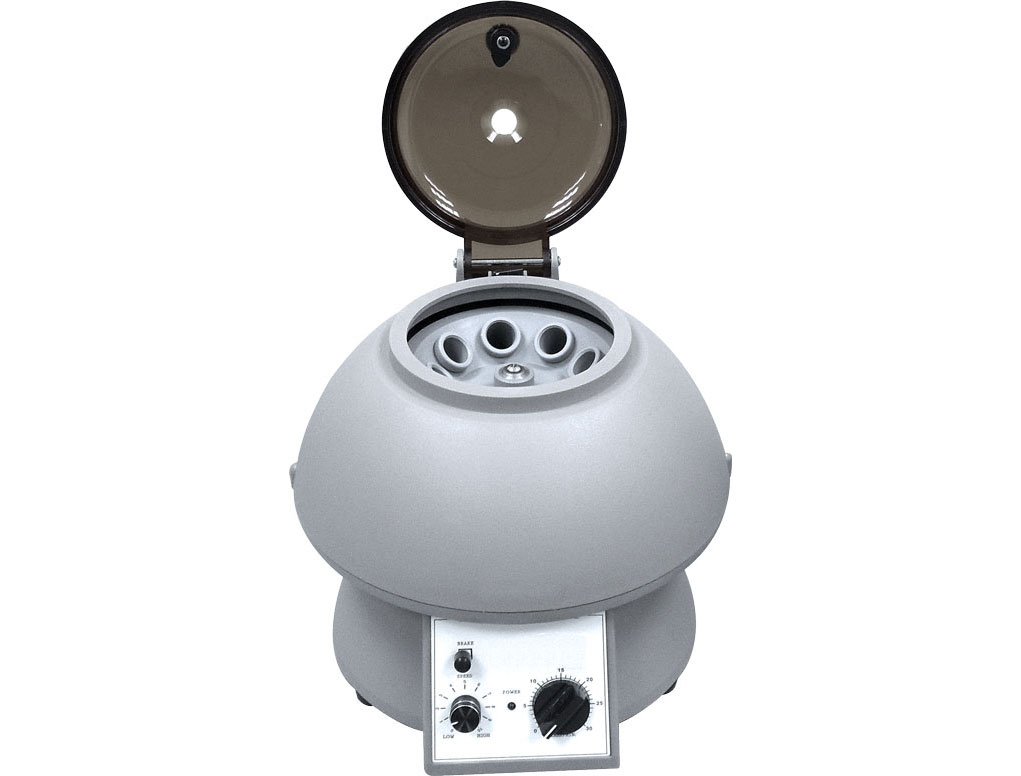
Blood and urine centrifuges are laboratory devices designed to separate components based on density. They use high-speed rotation to isolate plasma, serum, cells, sediments, and other sample elements.
These instruments are widely used in hospitals, clinics, diagnostic centers, and research laboratories. Moreover, they support a broad range of medical testing procedures.
How Blood Centrifuges Work
Blood centrifuges spin collection tubes at controlled speeds. Consequently, blood components separate into distinct layers.
The typical layers include:
- Plasma or serum
- White blood cells
- Red blood cells
This separation allows laboratories to perform biochemical, immunological, and hematological analyses efficiently. Furthermore, it helps improve test accuracy and consistency.
Applications of Blood Centrifuges
Blood centrifuges serve many medical applications. Therefore, they are considered essential laboratory equipment.
Common uses include:
Serum Preparation
Laboratories prepare serum samples for chemistry and immunology testing. As a result, physicians receive accurate diagnostic information.
Plasma Separation
Plasma isolation supports coagulation studies and specialized diagnostic procedures. In addition, it helps laboratories streamline sample processing.
PRP and PRF Preparation
Many medical and dental practices use centrifuges for platelet-rich plasma (PRP) and platelet-rich fibrin (PRF) preparation. Consequently, treatment procedures become more efficient.
Hematology Testing
Blood component separation supports complete blood count analysis and other hematology applications.
How Urine Centrifuges Work
Urine centrifuges separate sediments from liquid portions of the sample. Subsequently, laboratory technicians can examine concentrated particles under a microscope.
The process enhances the detection of:
- Red blood cells
- White blood cells
- Crystals
- Bacteria
- Casts
- Epithelial cells
Therefore, urine centrifugation remains an important step in routine urinalysis.
Applications of Urine Centrifuges
Urine centrifuges support numerous diagnostic procedures. Additionally, they improve laboratory productivity.
Routine Urinalysis
Technicians evaluate urine sediments for signs of infection, kidney disease, and metabolic disorders.
Clinical Diagnostics
Healthcare providers rely on centrifuged urine samples to identify abnormal findings accurately.
Research Applications
Research laboratories use urine centrifuges to prepare samples for advanced analytical studies.
Key Features of Modern Blood and Urine Centrifuges
Today's centrifuges offer advanced technologies that improve performance and safety.
Variable Speed Control
Users can adjust rotational speed according to sample requirements. Consequently, laboratories achieve optimal separation results.
Digital Displays
Modern interfaces provide clear operational information. Therefore, technicians can monitor performance easily.
Safety Lock Systems
Built-in safety mechanisms prevent lid opening during operation. As a result, user protection increases significantly.
Low Noise Operation
Advanced motor designs reduce vibration and noise. Furthermore, they create a more comfortable laboratory environment.
Multiple Rotor Options
Many systems support different tube sizes and capacities. Therefore, laboratories gain greater flexibility.
Benefits of Using Blood and Urine Centrifuges
Clinical laboratories benefit from centrifuge technology in several ways.
Improved Accuracy
Proper sample separation enhances diagnostic reliability. Consequently, healthcare professionals can make informed decisions.
Faster Sample Processing
High-speed centrifugation reduces preparation time. Therefore, laboratories can process larger workloads efficiently.
Enhanced Workflow Efficiency
Automated functions simplify daily operations. In addition, they minimize manual intervention.
Reliable Performance
Modern centrifuges provide consistent results across multiple testing cycles. As a result, laboratories maintain high quality standards.
Choosing the Right Blood and Urine Centrifuge
Selecting the correct centrifuge depends on laboratory requirements. First, evaluate sample volume and testing frequency. Next, consider rotor compatibility and speed range. Finally, review safety features and maintenance requirements.
A properly selected centrifuge improves productivity while ensuring accurate diagnostic outcomes.