Laboratory Freezers in a variety of temperatures. Temperatures -25 to -86 degrees.
Uses Of Laboratory Freezers
Laboratory freezers are suitable for use in scientific research, cryogenic testing on special materials, blood plasma preservation, low temperature resistance testing on biological materials, vaccines, biological products and military products, etc.
laboratory freezers uk

What are Laboratory freezers
Laboratory freezers are indispensable tools in research, pharmaceuticals, and healthcare settings. They ensure that sensitive samples, vaccines, and medicines are stored at the correct temperature, preventing deterioration and maintaining their effectiveness.
The Significance of Proper Sample Storage
Maintaining the stability of biological and chemical samples is crucial for the accuracy and reliability of scientific experiments. Fluctuations in temperature can lead to irreversible changes in the composition of samples, rendering them useless for analysis.
Types of Laboratory Freezers
Ultra-Low Temperature Freezers
Ultra-low temperature freezers, operating below -40°C, are ideal for long-term storage of enzymes, proteins, and other biological materials that require extremely cold temperatures to remain viable.
-80°C Freezers
These Type are commonly used for preserving valuable samples like stem cells and genetic materials. The consistent temperature of -80°C ensures the integrity of these delicate samples.
-20°C Freezers
Often used for storing enzymes, reagents, and samples that don't require ultra-low temperatures, these freezers are energy-efficient and offer convenient access to frequently needed materials.
Combination Freezers
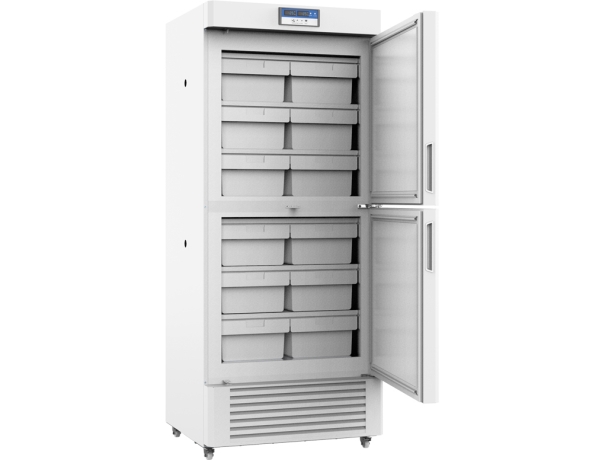
Combination freezers provide flexible storage options by offering dual temperature zones within the same unit. This versatility is useful for laboratories with diverse storage needs.
Key Features to Look For
Temperature Consistency
Maintaining a uniform temperature throughout the freezer is crucial to prevent temperature fluctuations that can harm stored samples.
Energy Efficiency
Energy-efficient models not only save on operating costs but also minimize heat output, reducing the load on lab cooling systems.
Storage Capacity and Layout
Choosing adjustable shelves and storage compartments ensures efficient space utilization and easy organization of samples.
Alarm Systems
Integrated alarms alert laboratory personnel in case of temperature deviations, power outages, or malfunctions, allowing swift corrective action.
Tips for Efficient Usage
Organizing Samples
Categorize and label samples to expedite retrieval, minimize door openings, and reduce the risk of temperature variations.
Proper Temperature Settings
Follow manufacturer guidelines to set the temperature correctly, ensuring samples are stored at the optimal conditions.
Defrosting and Cleaning
Regularly defrost and clean to prevent ice buildup and cross-contamination. Use non-abrasive cleaning agents to maintain sample integrity.
Ensuring Sample Security
Backup Power Solutions
Installing backup power sources, such as generators or uninterruptible power supplies (UPS), safeguards samples during power outages.
Access Control and Monitoring
Implement access controls and monitoring systems to prevent unauthorized access and track temperature fluctuations remotely.
importance of temperature consistency and control in laboratory freezers
Temperature consistency and control are of paramount importance when it comes to laboratory freezers. This aspect directly affects the integrity, stability, and viability of various biological and chemical samples stored. The significance of maintaining consistent and controlled temperatures cannot be understated, and here's why:
- Sample Preservation: Used to store delicate samples, such as biological specimens, enzymes, vaccines, pharmaceuticals, and reagents. These samples often have strict temperature requirements to remain stable and viable. Fluctuations in temperature can lead to denaturation, degradation, or loss of activity, rendering the samples useless for research, testing, or medical purposes.
- Data Reproducibility: Research conducted in laboratories heavily relies on reproducibility. Consistency in temperature ensures that experiments can be repeated with the same conditions, reducing variables that might affect the outcomes. Temperature fluctuations can introduce inconsistencies, making it difficult to replicate results, potentially hindering scientific progress.
- Quality Control: In industries like pharmaceuticals and healthcare, maintaining product quality is paramount. Used to store raw materials, intermediates, and final products. Temperature deviations can compromise the quality and effectiveness of drugs or medical devices, leading to safety concerns, regulatory non-compliance, and financial losses.
- Sample Integrity: Genetic material, cell lines, and rare specimens can be irreplaceable. Proper temperature control ensures their long-term viability, preventing genetic mutations or cell death due to unfavorable temperature conditions.
- Cost Efficiency: Laboratories invest significant resources in acquiring and producing samples, reagents, and materials. Temperature inconsistencies can lead to wastage and loss, driving up operational costs due to the need for constant replacement or reproduction of samples.
- Regulatory Compliance: Many research fields are subject to regulatory guidelines and standards that mandate specific storage conditions for samples and materials. Deviations from these requirements can result in legal and regulatory consequences.
- Long-term Studies: Some experiments or studies require samples to be stored over extended periods. Reliable temperature control ensures that these long-term studies are not compromised by variations that may develop over time.
- Time and Effort: Researchers' time and effort are valuable commodities. Regularly monitoring and adjusting freezer temperatures can be time-consuming and resource-intensive. With consistent temperature control, personnel can focus on more critical tasks, enhancing efficiency.
- Emergency Preparedness: Freezers are prone to power outages or technical malfunctions. A well-maintained and consistent temperature environment buys time during such events, minimizing the risk of sample deterioration until the issue is resolved.
- Professional Reputation: Reliable research and quality work are integral to the reputation of scientists, laboratories, and institutions. Inaccuracies resulting from temperature fluctuations can damage the credibility of research and tarnish reputations.
How do ultra-low temperature freezers differ from standard laboratory freezers, and when are they typically used
Ultra-low temperature freezers (ULT) differ significantly from standard laboratory freezers in terms of their temperature range, construction, and usage. Here's how they differ and when they are typically used:
Temperature Range:
Standard Laboratory Freezers: These typically operate in the range of -20°C to -80°C (-4°F to -112°F). They are commonly used for short-term storage of samples, reagents, and other materials.
Ultra-Low Temperature Freezers: ULT freezers are designed to reach and maintain much lower temperatures, typically ranging from -45°C to -86°C (-49°F to -122°F). Some advanced models can even go as low as -150°C (-238°F).
Construction:
Standard Laboratory Freezers: These types are often designed with upright or chest configurations and are insulated to maintain a consistent temperature within the specified range.
Ultra-Low Temperature Freezers: ULT freezers are constructed with advanced insulation and refrigeration systems to ensure the extremely low temperatures are maintained reliably. They also incorporate features such as heavy-duty compressors, multiple cooling stages, and enhanced insulation materials to prevent temperature fluctuations.
Usage:
Standard Laboratory Freezers: These are suitable for general laboratory storage needs, including storing enzymes, reagents, and certain types of samples that do not require ultra-low temperatures.
Ultra-Low Temperature Freezers: ULT freezers are crucial for preserving biological samples, vaccines, cell lines, tissues, and other temperature-sensitive materials that need to be stored for longer durations, often months or even years, without compromising their viability. They are extensively used in research laboratories, medical facilities, and pharmaceutical companies.
Applications
:
Standard Laboratory Freezers: Common applications include short-term storage of consumables, chemicals, and some biological samples that can tolerate higher temperatures.
Ultra-Low Temperature Freezers: ULT freezers are essential for preserving valuable biological materials, such as stem cells, DNA, RNA, and proteins, which require ultra-low temperatures to maintain their structural integrity and functionality over extended periods.
Considerations:
Energy Consumption: Ultra-low temperature freezers consume more energy due to the need to maintain extremely low temperatures, which can lead to higher operating costs.
Sample Viability: Samples stored in ULT generally have better long-term viability compared to samples stored in standard freezers.
Investment: Ultra-low temperature freezers are more expensive to purchase and maintain compared to standard.
How do laboratory freezers contribute to ensuring the integrity of vaccines, medications, and other temperature-sensitive medical products?
- Temperature Control: Laboratory freezers are designed to maintain precise temperature levels, typically ranging from -20°C to -80°C or even lower. This control prevents fluctuations that could lead to degradation or inactivation of the sensitive compounds in vaccines and medications.
- Preservation of Efficacy: Many vaccines and medications contain proteins, enzymes, or other biological molecules that can become ineffective or even harmful if exposed to temperatures outside their recommended range. Proper freezer storage prevents these products from denaturing, breaking down, or undergoing other structural changes that could compromise their efficacy.
- Long-Term Storage: Some vaccines and medications need to be stored for extended periods before use. It provides a suitable environment for maintaining the stability of these products over time, ensuring they remain effective when administered to patients.
- Preventing Microbial Growth: Extremely low temperatures in laboratory freezers inhibit the growth of microorganisms, such as bacteria and fungi, which could contaminate and compromise the quality of medical products. This helps maintain product sterility and prevents potential health risks.
- Emergency Preparedness: They are also instrumental in emergency situations, such as disease outbreaks or unexpected surges in demand for vaccines. By having adequate storage capacity, healthcare facilities can stockpile vaccines and medications for rapid distribution, ensuring timely response to public health challenges.
- Regulatory Compliance: Many regulatory authorities and health organizations provide strict guidelines on the storage and handling of vaccines and medications. Properly using laboratory freezers that meet these standards helps healthcare providers adhere to these regulations and maintain the quality and safety of medical products.
- Data Logging and Monitoring: Advanced laboratory freezers often come equipped with temperature monitoring and data logging systems. These features allow healthcare professionals to track temperature history, receive alerts in case of temperature deviations, and maintain accurate records for quality control and regulatory purposes.
- Backup Systems: High-quality laboratory freezers may include backup systems like uninterruptible power supplies (UPS) or emergency generators. These features help ensure continuous operation even during power outages, minimizing the risk of temperature fluctuations.