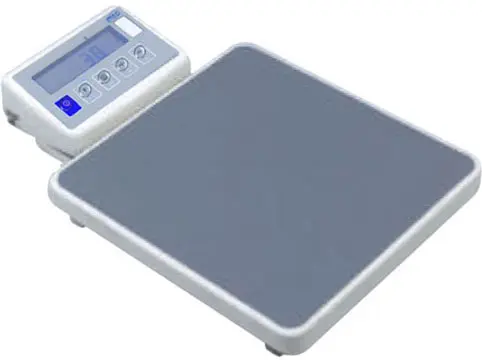
A medical balance is an essential instrument in healthcare, designed for precise weight measurement in medical, pharmaceutical, and research applications.
Applications of Medical Balances
Pharmaceutical Industry
Medical balances ensure the accurate formulation of medications by measuring exact ingredient quantities.
Clinical Laboratories
These instruments are used for measuring chemical compounds and specimens in medical testing.
Hospitals and Patient Care
Medical balances are crucial in weighing patients, measuring dosages, and monitoring nutritional intake.
Research and Development
R&D facilities rely on precise balances for experiments and developing new medical treatments.
Features of High-Quality Medical Balances
Accuracy and Precision
The core function of medical balances is to deliver highly accurate and precise measurements.
Digital vs. Mechanical Balances
Digital balances offer advanced features and automation, while mechanical balances are simpler but reliable.
Calibration and Maintenance
Regular calibration is crucial to maintain accuracy and meet regulatory standards.
How to Properly Use and Maintain a Medical Balance
Calibration Techniques
Frequent calibration ensures consistency and accuracy in measurements.
Proper Handling and Usage
Always place balances on a stable surface and avoid sudden impacts.
Cleaning and Storage
Regular cleaning prevents contamination and extends the lifespan of the balance.
Uses of Medical Balance
Medical balances are precision instruments used in healthcare and laboratory settings for accurate measurement of mass. Their primary uses include:
- Weighing Medications – Ensuring precise dosing of pharmaceuticals, especially for customized prescriptions (compounding pharmacies).
- Measuring Biological Samples – Used in laboratories to weigh blood, tissues, and other specimens for testing and analysis.
- Formulating Intravenous (IV) Solutions – Ensuring correct ingredient proportions in IV fluids and other solutions.
- Research and Development – Used in medical and pharmaceutical research to measure chemicals and compounds for experiments.
- Dietary and Nutritional Studies – Weighing food portions for clinical nutrition studies and dietary plans for patients.
- Calibration of Medical Equipment – Used for checking the accuracy of devices such as pipettes and centrifuge tubes.
- Measuring Implants and Prosthetics – Weighing artificial body parts and implants to ensure they meet medical specifications.
- Animal Research – Used in veterinary medicine and research to weigh small animals, ensuring proper dosing of medications.
- Cosmetic and Dermatological Formulations – Assisting in the preparation of creams, lotions, and other medical-grade skincare products.