Meteorology instruments play a crucial role in observing and understanding weather conditions. These instruments provide valuable data that meteorologists use to forecast the weather, track severe storms, and study climate patterns. By accurately measuring various atmospheric parameters, meteorology instruments help us comprehend the complex dynamics of our planet's weather systems. In this article, we will explore different types of meteorology instruments and their significance in weather monitoring.
Meteorology instruments are specialized devices designed to measure different aspects of the atmosphere. They are used to gather data such as temperature, atmospheric pressure, humidity, wind speed, precipitation, and more. Meteorologists rely on these instruments to obtain precise measurements, which are essential for weather forecasting and climate research.
Meteorology instruments are vital tools in understanding and predicting weather phenomena. Accurate and reliable measurements enable meteorologists to analyze the current state of the atmosphere and make informed predictions about future weather conditions. These predictions are crucial for a wide range of applications, including aviation, agriculture, disaster management, and everyday planning.
Types of Meteorology Instruments
There are various types of meteorology instruments, each designed to measure specific atmospheric parameters. Let's explore some of the most commonly used instruments in meteorology:
Thermometers
Thermometers are instruments used to measure temperature. They consist of a temperature-sensing element, such as a mercury or digital probe, and a scale for reading the temperature. Thermometers are available in different types, such as mercury thermometers, bimetallic strip thermometers, and electronic thermometers.
How Thermometers Work
Thermometers work based on the principle that materials expand or contract with temperature changes. The temperature-sensing element, such as a mercury column or a metal probe, expands or contracts as the temperature
Thermometers: Measuring Temperature
Thermometers are vital meteorology instruments used to measure temperature accurately. Temperature is a fundamental parameter in weather observation, as it helps determine the thermal state of the atmosphere and influences various weather phenomena. Understanding temperature variations is crucial for predicting changes in weather patterns, identifying heatwaves or cold snaps, and assessing climate trends.
Types of Thermometers
Several types of thermometers are employed in meteorology, each with its unique characteristics and applications. The most common types include:
- Mercury Thermometers: These traditional thermometers use a glass tube filled with mercury, which expands or contracts in response to temperature changes. The scale on the thermometer indicates the temperature based on the height of the mercury column.
- Alcohol Thermometers: Similar to mercury thermometers, alcohol thermometers use a glass tube filled with alcohol instead. Alcohol has a lower freezing point than mercury, making it suitable for measuring extremely low temperatures.
- Digital Thermometers: Digital thermometers utilize electronic sensors to measure temperature accurately. They provide instant digital readouts, often with options to switch between Fahrenheit and Celsius scales.
- Infrared Thermometers: Infrared thermometers measure temperature without direct contact. They use infrared radiation emitted by objects and convert it into temperature readings. Infrared thermometers are commonly used to measure surface temperatures from a distance.
How Thermometers Work
Thermometers operate based on the principle that materials expand or contract with temperature changes. In mercury and alcohol thermometers, the liquid inside the glass tube expands as it absorbs heat and contracts when cooled. This expansion or contraction causes the liquid level to rise or fall in the calibrated scale, indicating the temperature.
Digital thermometers employ electronic sensors, such as thermistors or resistance temperature detectors (RTDs), to measure temperature. These sensors detect changes in electrical resistance or other physical properties of materials with temperature variations. The measurements are then converted into digital signals and displayed on the thermometer's screen.
Infrared thermometers use infrared sensors to detect the amount of thermal radiation emitted by an object. The sensor receives the infrared radiation and calculates the temperature based on the intensity of the radiation. The temperature is then displayed on the thermometer's screen.
Common Thermometer Scales
Temperature can be measured and represented using different scales. The most widely used scales in meteorology are Celsius (°C) and Fahrenheit (°F). The Celsius scale is based on the freezing and boiling points of water, with 0°C representing the freezing point and 100°C representing the boiling point at sea level.
The Fahrenheit scale is commonly used in the United States. It also uses the freezing and boiling points of water but assigns 32°F to the freezing point and 212°F to the boiling point at sea level.
In scientific and international contexts, the Celsius scale is preferred due to its simplicity and alignment with the metric system. However, the Fahrenheit scale is still used in some applications and regions.
Understanding temperature variations is crucial for meteorologists to analyze weather patterns, track climate change, and provide accurate forecasts. Thermometers, in their various forms, continue to be indispensable tools for gathering temperature data and advancing our understanding of the complex atmospheric dynamics.
Barometers
Barometers are essential instruments used in meteorology to measure atmospheric pressure. Atmospheric pressure is the force exerted by the weight of the air above a given point and plays a significant role in weather patterns and changes. By monitoring changes in atmospheric pressure, meteorologists can predict the movement of weather systems, identify approaching storms, and assess atmospheric stability.
How Barometers Work
Barometers rely on the principle that changes in atmospheric pressure affect the balance of forces inside the instrument, resulting in observable changes that can be measured. Let's explore how the two main types of barometers work:
- Mercury Barometers: In a mercury barometer, the height of the mercury column in the glass tube changes based on variations in atmospheric pressure. When atmospheric pressure increases, the mercury column is pushed up, indicating higher pressure. Conversely, when atmospheric pressure decreases, the mercury column drops, reflecting lower pressure. The height of the mercury column is measured against a calibrated scale, providing the atmospheric pressure reading.
- Aneroid Barometers: Aneroid barometers utilize a sealed metal chamber, called an aneroid cell, which expands or contracts with changes in atmospheric pressure. The aneroid cell is typically made of thin metal diaphragms that are linked to mechanical mechanisms. As atmospheric pressure increases, the aneroid cell contracts, causing mechanical movements that are amplified and displayed on a dial. Conversely, as atmospheric pressure decreases, the aneroid cell expands, leading to corresponding movements on the dial.
Applications of Barometers
Barometers have numerous applications in meteorology, weather forecasting, and other fields. Some key applications include:
- Weather Forecasting: Barometers are crucial tools for predicting weather changes. A sudden drop in atmospheric pressure often indicates the approach of a low-pressure system and potential stormy weather. Conversely, a rise in pressure suggests fair weather conditions. By monitoring these pressure trends, meteorologists can forecast weather patterns with greater accuracy.
- Aviation and Marine Navigation: Barometric pressure readings are essential for aviation and marine navigation. Pilots and navigators use barometers to determine altitude, assess weather conditions during flight or navigation, and adjust their instruments accordingly. Changes in pressure can also impact aircraft performance and affect sea-level calculations for marine vessels.
- Climate Research: Barometric pressure data collected over extended periods contributes to climate research and the study of long-term atmospheric patterns. Analyzing pressure records helps identify climate variations, such as the El Niño-Southern Oscillation (ENSO), and investigate atmospheric dynamics that influence climate change.
Hygrometers
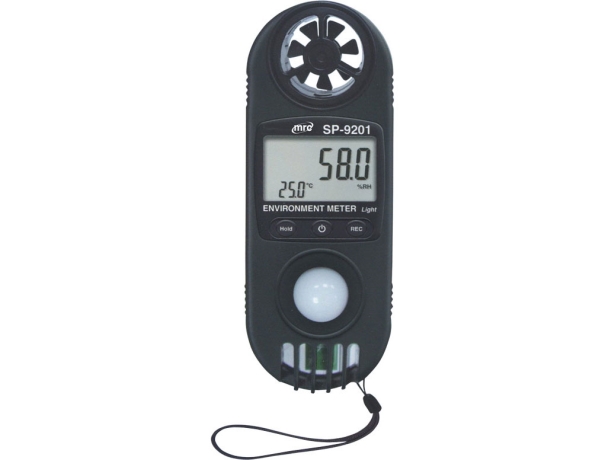
Hygrometers are meteorology instruments used to measure humidity, which refers to the amount of moisture present in the air. Humidity plays a crucial role in weather patterns, affecting cloud formation, precipitation, and the comfort levels of living organisms. Understanding humidity variations helps meteorologists assess the likelihood of rainfall, determine the potential for fog or dew, and analyze the overall moisture content of the atmosphere.
Types of Hygrometers
There are various types of hygrometers utilized in meteorology to measure humidity accurately. Some common types include:
- Hair Hygrometers: Hair hygrometers use a strand of human or animal hair as the sensing element. Hair expands or contracts with changes in humidity levels, leading to mechanical movements that are translated into humidity readings. This type of hygrometer is based on the principle that hair absorbs moisture from the air, causing it to change length.
- Psychrometers: Psychrometers consist of two thermometers—one dry bulb and one wet bulb—mounted side by side. The dry bulb thermometer measures the ambient air temperature, while the wet bulb thermometer has a moistened wick that measures a lower temperature due to evaporative cooling. By comparing the readings of the two thermometers, humidity levels can be determined using specific charts or calculations.
- Capacitive Hygrometers: Capacitive hygrometers utilize a moisture-sensitive material, often a polymer, that changes its electrical capacitance with humidity variations. As humidity increases, the capacitance of the material changes, allowing the instrument to measure and display the corresponding humidity levels.
- Dew Point Hygrometers: Dew point hygrometers measure the temperature at which air becomes saturated and condensation occurs, forming dew or fog. By cooling a surface and detecting the point at which condensation begins, the instrument can determine the dew point temperature, which is directly related to the air's humidity.
How Hygrometers Work
Hygrometers operate based on the principle that certain materials or physical properties change with humidity variations. Let's explore how some of the common types of hygrometers work:
- Hair Hygrometers: Hair hygrometers rely on the fact that hair strands absorb moisture from the air, causing them to expand or contract. The hair is typically attached to a mechanism that magnifies the movements, which are then displayed on a calibrated scale, providing humidity readings.
- Psychrometers: Psychrometers work based on the principle of evaporative cooling. The wet bulb thermometer's moisture evaporates, causing the temperature to drop. The rate of evaporation depends on the humidity of the air. By comparing the temperature readings of the dry bulb and wet bulb thermometers, the instrument can determine the relative humidity.
- Capacitive Hygrometers: Capacitive hygrometers use the property of certain materials to absorb or release moisture, affecting their electrical capacitance. Changes in capacitance are measured and converted into humidity readings displayed on the instrument.
- Dew Point Hygrometers: Dew point hygrometers utilize temperature measurements to determine the dew point—the point at which air becomes saturated. By cooling a surface or mirror and detecting the formation of condensation, the instrument can determine the dew point temperature and, subsequently, the humidity level.
Importance of Humidity Measurements
Humidity measurements are vital in meteorology as they provide insights into atmospheric moisture content and affect various weather phenomena. Here are some reasons why humidity measurements are essential:
- Weather Prediction: Humidity levels influence the formation and behavior of clouds, precipitation, and severe weather systems. By understanding humidity variations, meteorologists can better predict the likelihood and intensity of rainfall, thunderstorms, and other weather events. High humidity levels can indicate the potential for heavy precipitation, while low humidity levels may suggest drier conditions.
- Human Comfort: Humidity plays a significant role in human comfort. High humidity can make hot temperatures feel even more oppressive, as perspiration evaporates less effectively, leading to a feeling of stickiness. Conversely, low humidity can cause dry skin, irritation, and respiratory discomfort. By monitoring humidity levels, individuals can take appropriate measures to maintain a comfortable indoor environment.
- Agriculture and Plant Health: Humidity levels are crucial for agricultural practices and plant health. Different crops have specific humidity requirements for optimal growth and productivity. Excessive humidity can promote the growth of plant diseases and molds, while insufficient humidity can lead to wilting and stunted growth. By monitoring humidity, farmers and gardeners can adjust irrigation and ventilation to maintain an optimal growing environment.
- Building Maintenance: Humidity control is vital for building maintenance. Excessive moisture levels can cause mold growth, wood rot, and damage to structural integrity. On the other hand, extremely dry conditions can lead to cracking, shrinking, and other issues. By monitoring and controlling humidity levels, building owners can ensure the longevity and integrity of their structures.
- Industrial Processes: Humidity is a critical factor in various industrial processes. Certain manufacturing processes, such as pharmaceutical production, food processing, and textile manufacturing, require specific humidity conditions to ensure product quality and integrity. By accurately measuring and controlling humidity, industries can optimize production and maintain consistent product standards.
Anemometers
Anemometers are essential instruments used in meteorology to measure wind speed and direction. Wind is a critical component of weather systems and plays a significant role in shaping local and global climate patterns. By accurately measuring wind parameters, meteorologists can analyze weather patterns, predict severe storms, assess wind energy potential, and study atmospheric dynamics.
Types of Anemometers
Various types of anemometers are utilized to measure wind speed and direction. Some common types include:
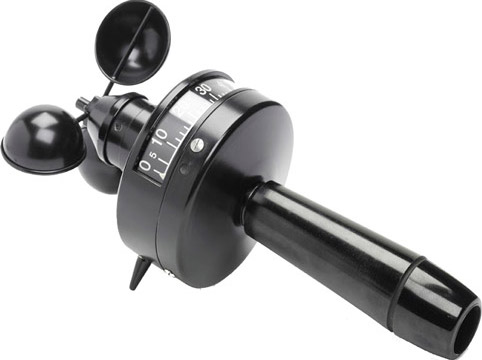
- Cup Anemometers: Cup anemometers consist of three or four cups mounted on a horizontal axis. As the wind blows, the cups rotate, and the rotational speed is directly proportional to the wind speed. Cup anemometers are widely used due to their simplicity and reliability.
- Vane Anemometers: Vane anemometers, also known as wind vanes, measure both wind speed and direction. They consist of a vertical rod with a flat plate or arrow-shaped vane at one end. The vane aligns itself with the wind direction, while the rotation of the rod indicates wind speed.
- Hot-Wire Anemometers: Hot-wire anemometers utilize a heated wire exposed to the airflow. The cooling effect of the moving air causes changes in the wire's resistance, which is directly related to the wind speed. Hot-wire anemometers are highly sensitive and widely used in research and specialized applications.
- Doppler Radar: Doppler radar systems use electromagnetic waves to measure wind speed and direction remotely. By analyzing the frequency shift of the radar signals reflected off particles in the air, the Doppler radar can determine wind speed and direction at various altitudes.
How Anemometers Work
Anemometers operate based on the principle that wind exerts force on certain objects, causing measurable effects. Let's explore how some of the common types of anemometers work:
- Cup Anemometers: Cup anemometers rely on the force of the wind to rotate the cups. The wind pushes against the cup surfaces, causing them to rotate around a central axis. The rotational speed is directly proportional to the wind speed, allowing for wind speed measurements.
- Vane Anemometers: Vane anemometers use the wind's force to align a vane or flat plate with the wind direction. The vane is attached to a rod or axis, and its position indicates the wind direction. Additionally, the rotation of the rod due to the force of the wind provides wind speed measurements.
- Hot-Wire Anemometers: Hot-wire anemometers work by passing a current through a thin wire exposed to the wind. As the wind blows, the cooling effect on the wire alters its resistance, which is measured and converted into wind speed readings. The greater the cooling effect, the higher the wind speed.
- Doppler Radar: Doppler radar systems emit electromagnetic waves that bounce off particles in the air, such as raindrops or dust. By analyzing the frequency shift of the radar signals caused by the motion of these particles, the Doppler radar can calculate wind speed and direction at different altitudes.
Applications of Anemometers
Anemometers have numerous applications in meteorology, aviation, renewable energy, and environmental monitoring. Here are some key applications:
- Weather Forecasting: Accurate measurements of wind speed and direction are crucial for weather forecasting. Wind patterns play a significant role in the movement of weather systems, such as storms, hurricanes, and fronts. By continuously monitoring wind parameters, meteorologists can improve the accuracy of weather predictions.
- Aviation and Wind Shear Detection: Wind shear refers to sudden changes in wind speed and direction over a short distance. These changes can pose risks to aviation, especially during take off and landing. Anemometers provide critical information for pilots, air traffic controllers, and airport authorities to assess wind conditions, detect wind shear, and ensure safe flight operations.
- Wind Energy Assessment: Anemometers are instrumental in assessing the potential for wind energy generation. Wind farms and renewable energy companies utilize anemometers to measure wind speed and direction at various heights to determine suitable locations for wind turbine installations. Accurate wind data helps optimize turbine placement, improve energy production forecasts, and maximize the efficiency of wind power generation.
- Environmental Monitoring: Anemometers play a role in environmental monitoring and research. They are used to study airflow patterns, atmospheric dynamics, and dispersion of pollutants in the air. By measuring wind speed and direction, scientists can gain insights into air quality, atmospheric pollution, and the impact of industrial activities on the environment.
- Sports and Outdoor Activities: Anemometers find applications in various sports and outdoor activities. Sailors, windsurfers, and kiteboarders rely on wind measurements to assess wind conditions for safe and enjoyable experiences. Paragliders, hang gliders, and skydivers also utilize anemometers to gauge wind speed and direction for optimal flying or landing conditions.
- Climatology and Climate Modeling: Anemometers provide valuable data for climatology and climate modeling. Long-term wind measurements help understand regional wind patterns, climate variability, and climate change. This information is crucial for studying climate systems, assessing wind-driven processes, and improving climate models for future projections.
Weather stations
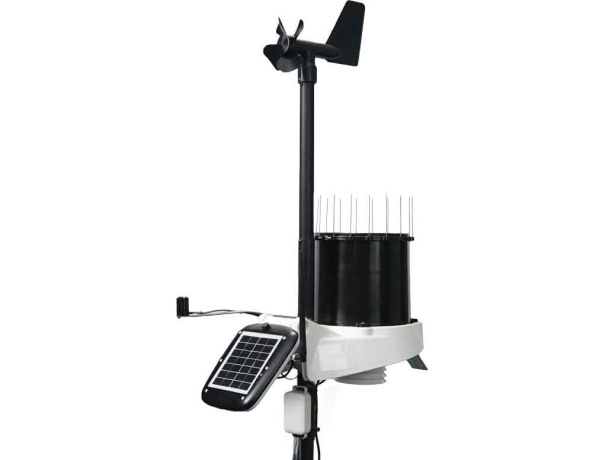
Weather stations are comprehensive setups that allow for the monitoring and analysis of various weather parameters. These stations consist of multiple instruments and sensors designed to measure and record data related to temperature, humidity, atmospheric pressure, wind speed and direction, precipitation, and other meteorological variables. By collecting and analyzing this data, meteorologists and weather enthusiasts gain valuable insights into weather patterns, climate trends, and forecasting.
Applications of Weather Stations
Weather stations have a wide range of applications, including:
- Weather Forecasting: Weather stations provide real-time data that forms the basis for accurate weather forecasting. By continuously monitoring temperature, humidity, pressure, wind, and precipitation, meteorologists can analyze weather patterns, predict changes, and issue timely forecasts and warnings.
- Climate Studies: Weather station data is invaluable for long-term climate studies and climate change research. Historical weather data collected over extended periods helps identify climate trends, understand climatic variations, and assess the impact of human activities on the environment.
- Agriculture and Farming: Weather stations assist farmers in making informed decisions regarding crop management, irrigation, and pest control. By monitoring weather conditions, farmers can optimize planting and harvesting schedules, protect crops from adverse weather events, and ensure efficient resource allocation.
- Aviation and Maritime Operations: Weather stations play a crucial role in aviation and maritime industries. Accurate weather information helps pilots, air traffic controllers, and ship captains make informed decisions regarding flight routes, takeoff and landing, navigation, and safety precautions.
- Outdoor Activities and Recreation: Weather stations provide valuable information for outdoor enthusiasts and recreational activities. Whether it's hiking, camping, boating, or sports activities, up-to-date weather data helps individuals plan their activities, assess potential risks, and ensure personal safety.