Proper selection of peristaltic pumps
Speaking of pumps, peristaltic pumps are one of the most utilized pumps. They are used a lot because they are capable of pumping so many types of fluids. Due to this reason, people purchase them frequently. If you would love to use peristaltic pumps, It’s good to know some essential things, such as how to chose a peristaltic pump, usages of a peristaltic pumps, and other key topics regarding peristaltic pumps.
In this article, we want to give you a review of peristaltic pumps and include some valuable information concerning them as well.
First of All, What are peristaltic pumps?
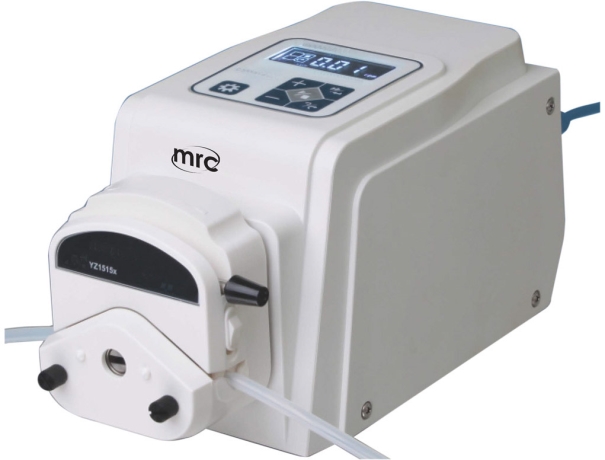
Peristaltic pumps are one of the most utilized pumps. The tubes are always flexible and soft and the fluids flow continuously in them as the rollers rotate. The rollers in the process of their rotation, squeeze the tubes against the pump housing, which allows the circulation of the fluid to continue.
As the roller continues to rotate, they press on the tubes and they expand in the process. This allows more fluid into the tubes. While this rotation is going on, one roller will close the tube at intervals, the fluids will only continue to circulate as the next roller comes in contact with the tube. The rollers have to be in constant motion and they are either rotated through a gearbox or a motor.
Where are peristaltic pumps used?
Peristaltic pumps are usually used to pump fluids that are vicious and hazardous. This is because the fluids aren’t exposed and only the tubes can come in direct contact with them. The rollers will squeeze the tubes and the fluids will circulate that way. Peristaltic pumps are used in various places because they are easy to maintain and their maintenance fee is cheap as well. And this is thanks to the fact that the tubes or heads can be easily replaced. After much usage, and the tubes are wearing out, you can easily attach new tubes to your pump. And this is why medical and industrial peristaltic pumps are part of the most popularly demanded pumps.
Peristaltic pumps that are used in the medical sectors are used for sterile fluids processing, filtration, bioprocessing, or dialysis.
In the food processing and agriculture market, peristaltic pumps are used to package foods and beverages, drugs, and other edibles.
Peristaltic pumps are used for environmental purposes too. For instance Hose pumps for treating wastewater or removing condensation in gas.
Benefits of peristaltic pumps
Peristaltic pumps have wonderful benefits and they include;
• The pump isn’t easy to contaminate. The only part of the pump that comes in direct contact with the fluid is the inside of the tube. This tube can be detached and replaced after use. The pump and areas surrounding it can also be cleaned and sterilized.
• It is easy to maintain and clean peristaltic pumps. This is because they do not have additional parts like glands, valves, and seals. This makes them easier to afford because there would be no need to change or replace these additional parts
• Because of the nature of the pumps, and the way the fluids are circulated in such that they are in a tube and are squeezed by the rotation of rollers, they can handle any kind of fluid. Even the hazardous and vicious ones
• The pumps are designed in such a way that there is a smooth circulation of fluids
• The fluids are pumped in a fixed amount because they come out one after the other as the rotation takes place.
• The pumps are easy to set up and mobilize without any difficulties and need for special skills. The pumps are not so delicate and they do not require complex procedures to set up.
Disadvantages of peristaltic pumps
• Due to the flexibility of the tube, it will wear out gradually due to usage and will require a replacement.
• The rotation doesn’t allow the fluid to come out at a go, therefore slowing down the process of the fluid passage. If the rotation is set to a low rotation, the fluid flow could be slower. In other words, the pump method of rotating rollers doesn’t give way to a steady flow.
• The quality of the pumps can be reduced by the strength of the fluid.
Peristaltic pump tubings.
Qualities of a good tube include chemical resistance at a considerable range, and for a particular period. The tube will have to resists the chemicals that are being pumped, for a particular time duration. The cost should also determine the tubing to be purchased. There are a couple of tubings that are commonly used for peristaltic pumps and they are;
• Silicone rubber.
This is perhaps the most common tubing used for peristaltic pumps. This is a rubber-like material made with components like silicon, along with hydrogen, oxygen, and carbon. Silicone rubbers are usually flexible and, resistant to hot temperatures and extreme conditions. Their affordability is also commendable. Due to its flexible nature, silicone rubber is used for manufacturing a vast majority of items from kitchen utensils, to tubes, etc.
• Thermoplastic.
This is a plastic polymer that is moldable when exposed to a high temperature of heat and solidifies when exposed to a cool temperature. Thermoplastics make good peristaltic pumps but they may start to weaken due to frequent exposure to a viscous liquid. They are used for manufacturing a lot of things, ranging from kitchen accessories to pumps.
• Polyvinyl chloride (PVC)
Polyvinyl chloride is produced at a very large scale as it is one of the most common synthetic plastic polymer asides from polyethylene and polypropylene. PVC can come in a rigid or flexible form. The rigid PVC form is utilized for creating objects like construction materials such as pipes, doors, or windows. While the soft version is used for objects like bottled water, disposable food packs, sheets, etc.
• Pharmed
Pharmed is another thermoplastic elastomer. It becomes flexible when exposed to certain temperatures.
It can withstand certain conditions and is said to have a long duration span. This material is commonly used for creating laboratory-related materials and medical devices.
• Fluoropolymer
This is a polymer-based substance called fluorocarbon. It has a high resistance feature to acids, bases, or solvents. They can be considered as thermoplastics as well.
• Fluoroelastomer
This is a fluorocarbon made out of synthetic rubber. An essential feature of this material is that it has a high chemical resistance.
Peristaltic tubes have different material components. Silicone is mostly used pumping for non-vicious fluids because it is softer and more flexible than most of the other materials. While materials like Fluoroelastomers are used when more viscous fluids need to be pumped.
When it comes to selecting the right tube, there are crucial factors to look out for. While finding a tube with a longer life span is important, finding a tube with the right and accurate dimensions is as important as well. Tubes with larger inner diameters and low rotation speed have more advantages. If there needs to be an increase in the flow rate, larger inner diameters with a faster rotation speed should be selected. Whenever the pumping needs to be done at a steadier pace, the tubes should have smaller internal diameters and a high rotation speed. If the fluids are more vicious the then tubes should have thicker walls so that return to their normal shapes after the procedure.
The occurrence of spallation should be avoided and prevented too. This happens when the fluid becomes contaminated when it comes in contact with particles that may be found inside the tube. Materials such as versalloy make it easy to avoid spallation.
How Do peristaltic pumps work?
The tube opens to its natural state with the liquid flow to the pump.It is used in many biological systems for the digestive tract. After the operation, the liquid body is transferred to the pump socket.
In conclusion, making use of a peristaltic pump is great for many instances like water treatment, medical uses, agriculture and food processing usage, etc. By using this pump you can prevent having your fluids or liquids contaminated, they are the right way to go for fluid treatment.
How to work correctly with a peristaltic pump?
Peristaltic pumps are easy to use. They are designed with particular hose materials to meet certain pumping and fluid needs. You should inspect the model number and piping material to ensure that it is suitable for your application when you get your pump. The hose's color indicators may be seen at connection points, allowing you to verify whether they are good quality.
Because peristaltic pumps can be quite large, it is important to use a support stand to hold the pump and ensure it is level. The prime mover, usually an electric motor, should also be properly mounted. Once everything is in place, you can connect the power supply and start the pump. Allow plenty of room between the pump inlet/outlet and any fixed structures to easily replace hoses.
Remember, flexible connections are preferable, not rigid piping. The inlet/outlet pipe should be at least the same diameter as the pump hose to ensure proper flow. It is important to note that you must fill the peristaltic pump with liquid before it can start pumping. The best way to do this is to slowly pour the liquid into the pump while running. Once the pump has been filled, it will continue to operate until all of the liquid has been pumped out.
You can control a peristaltic pump in several ways. The most common method is to use a variable frequency drive (VFD) to control the speed of the pump. This type of control allows you to adjust the pump's flow rate and is very effective for most applications. Another popular method is to use a pressure switch to control the pump. This type of control is often used in applications where constant pressure is required, such as in a water system.
There are also several other methods that you can use to control a peristaltic pump, such as using a timer or using a flowmeter. A line starts on/off switch, a simple approach to regulating your peristaltic pump. You may operate the peristaltic pump with a PLC if you want more control. You can also get creative and develop your method of control.
What is the mechanism behind a peristaltic pump?
The pump hose is squeezed by two pressing rollers affixed to a rotating wheel. The first roller, which presses the hose's walls, creates a vacuum and draws the pumped liquid through the hose. The second roller, which consists of an idler wheel, will push the liquid forward. The wheel's speed determines the pump's flow rate.
When the discharge end of the hose is disconnected, the opposing roller is already squeezed. This arrangement prevents any reverse flow. Due to this pump's motion, the pumped fluid is successfully drawn in and discharged via wheel rotation.
Peristaltic pumps are self-priming and can start and stop without losing their prime. This makes them ideal for applications where a constant flow rate is not required.
What are the benefits of a peristaltic pump?
The peristaltic pump has many Benefits. One of the biggest advantages is that they can handle fluids that other types of pumps cannot. This includes viscous liquids and liquids that contain solids. Another advantage is that peristaltic pumps are self-priming, meaning they can start and stop without losing their prime. This makes them ideal for applications where a constant flow rate is not required. The fluid comes into contact with the pump's inner surface, the hose or tube, and connectors.
No degassing valves are required because the rollers move fluid through the hose or tube. The rollers press on the tube, preventing backflow and saving you money on mechanical seals.
Peristaltic pumps have a high suction lift and are intended to operate dry, self-prime, and pump fluid. Sometimes they can develop fluid leaks, which is very rare.
With a simple control panel, these pumps are simple to operate. They're also quiet and have a small footprint, which is perfect for space-saving applications. Additionally, peristaltic pumps are versatile and can be used in various industries and applications.
Peristaltic pumps are also very easy to use and require minimal maintenance. They are very versatile and can be used in a variety of applications. A peristaltic pump is a good option if you are looking for a pump that can handle your tough fluid requirements.