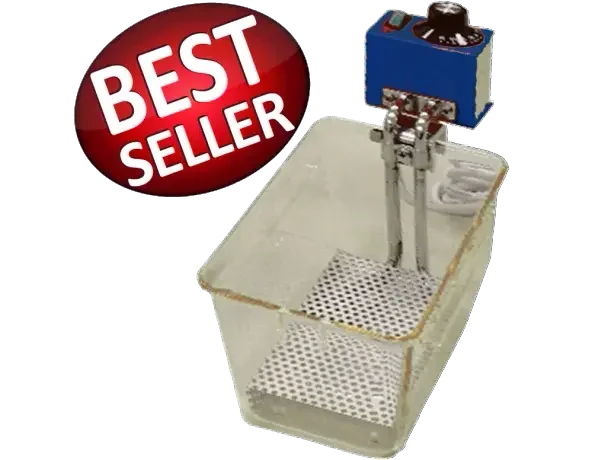
Polycarbonate water baths are essential laboratory instruments designed to provide controlled heating of samples using water as a medium. At their core, these devices maintain a consistent temperature environment, allowing researchers and technicians to perform delicate procedures that require stable thermal conditions.
Key Components of a Water Bath System
Understanding how a polycarbonate water bath works begins with its core components. Each part plays a critical role in maintaining performance and reliability. The heating element is responsible for raising the water temperature, while a thermostat or digital controller regulates it to the desired level. High-quality models often include advanced PID controllers that maintain temperature stability within fractions of a degree.
The polycarbonate chamber itself is the defining feature. It is designed to withstand heat while remaining transparent and resistant to impact. Unlike glass, which can shatter, polycarbonate offers a safer and more durable alternative. The lid, often also transparent, helps reduce evaporation and maintain thermal consistency.
Additional features such as racks, test tube holders, and circulation systems enhance usability. Some models include built-in pumps to ensure uniform temperature distribution throughout the bath. Together, these components create a system that is not only efficient but also adaptable to a wide range of laboratory applications.
Why Polycarbonate Material Matters
Properties of Polycarbonate
Polycarbonate is a high-performance thermoplastic known for its exceptional strength and clarity. It combines the transparency of glass with the toughness of engineering plastics, making it an ideal material for laboratory environments. One of its standout properties is its impact resistance. Polycarbonate is virtually unbreakable under normal laboratory conditions, reducing the risk of accidents and equipment damage.
Another key advantage is its ability to withstand temperature variations. While it may not tolerate extremely high temperatures like stainless steel, it performs exceptionally well within the typical operating range of most water baths. It also resists deformation, ensuring the chamber maintains its shape over time.
Clarity is another game changer. With polycarbonate, users can visually inspect samples without interrupting the process. This is particularly valuable in experiments where timing and observation are critical. Instead of repeatedly opening the bath, which can cause temperature fluctuations, researchers can simply look through the transparent walls.
Comparison with Stainless Steel and Acrylic
When compared to stainless steel, polycarbonate offers a completely different user experience. Stainless steel is robust and capable of handling very high temperatures, but it lacks visibility. Users must open the lid to check samples, which can disrupt the experiment. Polycarbonate eliminates this issue entirely.
Acrylic, on the other hand, is also transparent but significantly less durable. It is prone to cracking and cannot handle the same level of stress or temperature as polycarbonate. This makes polycarbonate the superior choice for laboratories seeking both visibility and durability.
Advantages of Polycarbonate Water Baths
Transparency for Visual Monitoring
One of the most compelling advantages of polycarbonate water baths is their transparency. In many laboratory procedures, observation is just as important as temperature control. Being able to see what's happening inside the bath without opening it saves time and prevents errors. Think of it as having a window into your experiment. You can monitor reactions, check sample positioning, and ensure consistency without disrupting the environment.
This feature becomes especially valuable in teaching laboratories, where instructors need to demonstrate processes to students. It also improves workflow efficiency, as technicians can quickly assess multiple samples at a glance.
Durability and Impact Resistance
Laboratories can be demanding environments. Equipment is often subjected to frequent use, accidental bumps, and exposure to chemicals. Polycarbonate water baths are built to handle these challenges. Their high impact resistance means they are less likely to crack or break compared to glass or acrylic alternatives.
This durability translates into long-term cost savings. Fewer replacements and repairs mean lower operational costs. It also enhances safety, reducing the risk of injuries caused by broken equipment.
Lightweight Design and Portability
Unlike stainless steel units, which can be heavy and cumbersome, polycarbonate water baths are relatively lightweight. This makes them easier to move, clean, and reposition within the lab. For facilities that require flexible setups or frequently rearrange equipment, this portability is a major advantage.
Despite their lighter weight, these water baths do not compromise on performance. They deliver the same level of temperature control and reliability as heavier models, making them a practical choice for modern laboratories.
Applications Across Industries
Research Laboratories
In research settings, polycarbonate water baths are used for a wide range of applications, including sample incubation, enzyme reactions, and DNA denaturation. Their precise temperature control ensures reproducibility, which is critical for scientific studies. The transparency of the chamber also allows researchers to closely monitor experiments, reducing the likelihood of errors.
Pharmaceutical and Biotechnology
In pharmaceutical and biotech industries, maintaining strict temperature conditions is essential for product quality and safety. Polycarbonate water baths are used in processes such as drug formulation, stability testing, and microbiological analysis. Their reliability and ease of use make them a valuable tool in these highly regulated environments.
Food and Beverage Testing
Quality control in the food and beverage industry often involves temperature-sensitive testing. Polycarbonate water baths are used for tasks such as sample preparation, viscosity testing, and microbial analysis. Their ability to maintain consistent temperatures ensures accurate and reliable results, which are crucial for compliance with safety standards.
Temperature Control and Precision
Digital vs Analog Controllers
Modern polycarbonate water baths typically feature digital controllers that offer precise temperature settings and easy operation. These controllers allow users to set exact temperatures and monitor them in real time. Analog models, while still available, are less precise and more difficult to calibrate.
Digital systems often include additional features such as timers, alarms, and programmable settings. These enhancements improve usability and ensure consistent results across multiple experiments.
Stability and Uniform Heating
Temperature stability is one of the most critical factors in any water bath. Polycarbonate water baths are designed to maintain uniform heating throughout the chamber. This is achieved through efficient heating elements and, in some cases, circulation systems that distribute heat evenly.
Uniform heating ensures that all samples are exposed to the same conditions, reducing variability and improving accuracy. This is particularly important in experiments where even slight temperature differences can affect outcomes.
How to Buy the Right Water Bath
Size and Capacity Considerations
Choosing the right size depends on your laboratory needs. Larger baths can accommodate more samples but require more space and energy. Smaller units are more compact and efficient but may limit throughput.
Temperature Range Requirements
Different applications require different temperature ranges. Ensure the water bath you choose can meet your specific needs. Most polycarbonate water baths operate effectively within standard laboratory temperature ranges.
Safety Features to Look For
Safety should never be overlooked. Look for features such as over-temperature protection, low-water level alarms, and automatic shut-off systems. These features help prevent accidents and protect both users and equipment.
MUNRO is a leading supplier of transparent polycarbonate water baths in Uk and world.