A pressure gauge is a device specifically engineered to measure the pressure of water or gas within a pipe or sealed container. Its primary function is to provide an accurate and real-time indication of the force exerted by the fluid against the walls of the container. This measurement is typically expressed in units such as pounds per square inch (psi), pascals (Pa), or bars, depending on the gauge's design and the regional measurement standards.
Uses
These gauges are essential in various industries, including manufacturing, chemical processing, energy production, and plumbing, as they play a crucial role in monitoring and maintaining the optimal operating conditions of systems and equipment. Regular calibration and maintenance are essential to ensure the accuracy and reliability of pressure gauges over time.
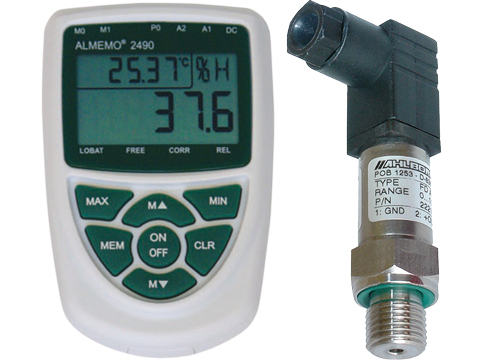
Types of Pressure Meters
Analog Pressure Meters
Analog pressure meters are traditional devices that display readings through a needle on a dial. Their robust design makes them suitable for environments where simplicity and durability are key.
- Features: No batteries required, straightforward to use.
- Applications: Ideal for mechanical systems and low-tech environments.
Digital Pressure Meters
Digital meters are modern, offering precise readings on an LCD or LED screen. They often include additional features like data logging and connectivity.
- Advantages: High accuracy, easy-to-read displays, and advanced functionality.
- Use Cases: Commonly used in labs, industrial setups, and healthcare.
Differential Pressure Meters
These devices measure the difference in pressure between two points. They're crucial in systems requiring balanced pressure, such as HVAC or filtration processes.
- Working Mechanism: Compares input from two pressure ports.
- Industries: Widely used in manufacturing, aviation, and energy sectors.
Absolute Pressure Meters
Absolute meters measure pressure relative to a perfect vacuum, offering unparalleled precision.
- Importance: Essential in scientific research and high-tech industries.
- Applications: Aerospace, chemical engineering, and vacuum systems.
Applications of Pressure Meters
1. Industrial Applications
- Hydraulics and Pneumatics: Monitoring fluid or gas pressure in hydraulic and pneumatic systems to ensure safe and efficient operation.
- Manufacturing Processes: Maintaining optimal pressure levels in production lines for chemical, pharmaceutical, and food industries.
- Boilers and Steam Systems: Ensuring safe pressure levels in boilers and steam systems to prevent accidents and optimize performance.
2. Scientific Research and Laboratories
- Experimental Studies: Measuring precise pressure changes in controlled experiments.
- Vacuum Systems: Monitoring vacuum levels in applications like thin-film deposition or analytical instruments.
- Environmental Testing: Assessing air or gas pressure in climate chambers and environmental test setups.
3. HVAC (Heating, Ventilation, and Air Conditioning) Systems
- System Monitoring: Measuring air pressure in ductwork to balance airflow.
- Filter Monitoring: Detecting pressure drops across air filters to indicate when replacements are needed.
- Refrigeration Systems: Ensuring correct refrigerant pressure for system efficiency.
4. Oil and Gas Industry
- Pipeline Monitoring: Measuring pressure in pipelines to detect leaks or maintain flow efficiency.
- Drilling Operations: Monitoring wellhead pressure to ensure safety during drilling and extraction processes.
- Storage Tanks: Gauging pressure in tanks storing oil, gas, or other fluids.
5. Automotive and Aerospace Industries
- Engine Performance: Measuring pressure in combustion engines for diagnostics and performance tuning.
- Tire Pressure Monitoring: Ensuring correct tire pressure for safety and fuel efficiency.
- Aircraft Systems: Monitoring cabin pressure and various onboard hydraulic systems.
6. Water and Wastewater Management
- Pipeline Systems: Monitoring pressure in water distribution systems to detect leaks and optimize flow.
- Pumping Stations: Ensuring proper pump operation by measuring inlet and outlet pressures.
- Treatment Plants: Monitoring pressure in filtration and chemical dosing systems.
7. Healthcare and Medical Applications
- Medical Devices: Used in equipment such as ventilators and anesthesia machines to measure gas pressures.
- Blood Pressure Monitoring: Devices like sphygmomanometers measure blood pressure in clinical settings.
- Vacuum-Assisted Procedures: Monitoring pressure in suction systems used in surgeries or wound care.
8. Construction and Building Safety
- Structural Integrity Testing: Assessing pressure in building materials, pipelines, and HVAC systems.
- Leak Detection: Identifying leaks in sealed environments, such as underground storage tanks or pipelines.
9. Environmental Monitoring
- Atmospheric Pressure Measurement: Recording barometric pressure for weather forecasting.
- Altitude Measurement: Used in altimeters for navigation and environmental studies.
- Air Quality Monitoring: Assessing pressure in air sampling systems.
10. Renewable Energy Systems
- Wind Turbines: Measuring pressure in hydraulic systems used for blade adjustments.
- Solar Thermal Systems: Monitoring pressure in heat transfer fluid systems.
- Hydroelectric Plants: Ensuring proper pressure in water flow systems for turbine efficiency.
What Are Pressure Transmitters?
Pressure transmitters are essential devices used to measure pressure in gases, liquids, or vapors and convert the measured data into an electrical signal. These signals are then used for monitoring and controlling processes in various industries.
From ensuring safety in chemical plants to optimizing operations in oil rigs, pressure transmitters play a vital role in maintaining process efficiency and ensuring compliance with safety standards.
How Pressure Transmitters Work
Basic Components of a Pressure Transmitter
- Sensing Element: Captures the pressure from the medium.
- Transducer: Converts physical pressure into an electrical signal.
- Output Signal: Communicates data to control systems.
Purposes of Pressure Transmitters
Oil and Gas Industry
Used for pipeline monitoring, ensuring safe and efficient transport of fuels.
Chemical Processing
Critical for maintaining safe pressure levels in reactors and storage tanks.
Pharmaceutical Industry
Ensures precise control in drug manufacturing processes.
Automotive Sector
Helps in monitoring engine performance and tire pressure.
Food and Beverage Industry
Used for quality control and maintaining hygiene standards in production lines.
HVAC Systems
Essential for monitoring air pressure to ensure comfort and efficiency.
Models of Pressure Measurements
Absolute Pressure
Measures pressure against a perfect vacuum.
Gauge Pressure
Compares the pressure to the surrounding atmospheric pressure.
Differential Pressure
Determines the pressure difference between two points in a system.
Selecting the Right Pressure Transmitter
Factors to Consider
- Measurement Range: Choose a device suited to the expected pressure levels.
- Accuracy: Select a transmitter with the precision required for your application.
- Environmental Conditions: Ensure the transmitter can withstand temperature and humidity extremes.
- Compatibility with Media: Verify materials are resistant to the medium being measured.
- Output Signal Requirements: Match the signal type to your control system.