Radiation meters are devices designed to detect and measure radiation levels in the environment. They provide critical data about the intensity and type of radiation present, allowing users to take necessary precautions. These devices work by sensing the energy emitted by radioactive materials, electromagnetic fields, or magnetic fields and displaying the results in user-friendly formats.
Types of Radiation Detected by Radiation Meters
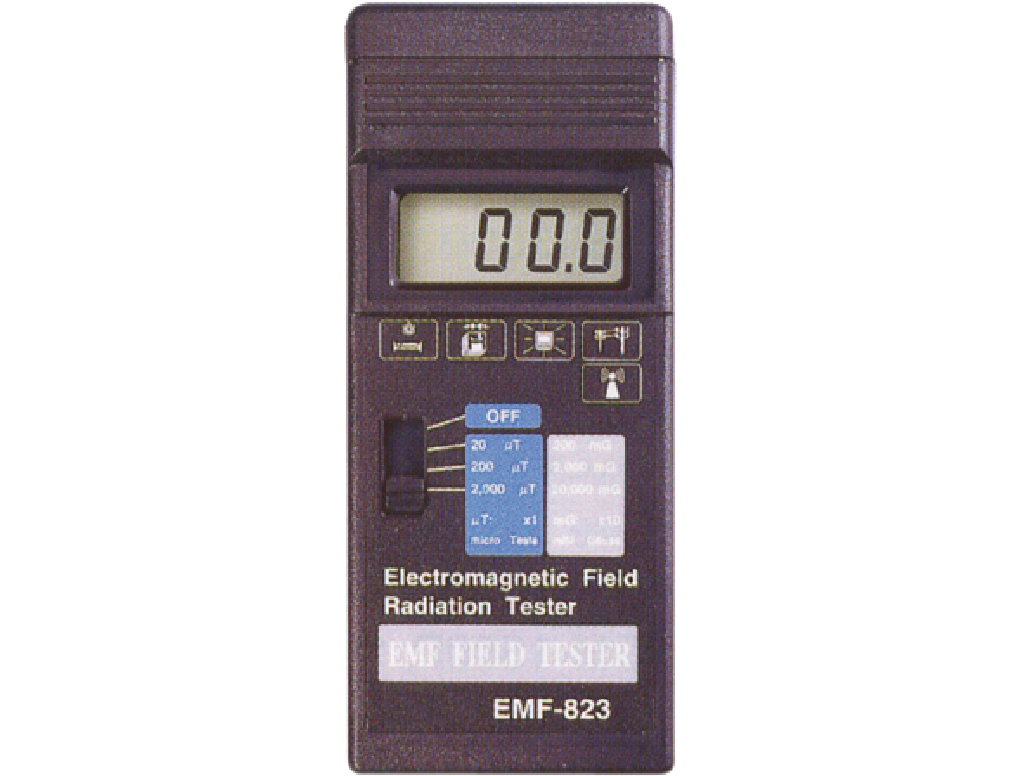
EMF Radiation
What is EMF Radiation?
Electromagnetic fields (EMFs) are invisible energy fields produced by electrically charged objects. These fields are a natural part of our environment but are also generated by man-made sources such as power lines, mobile phones, and Wi-Fi routers.
Common Sources of EMF Radiation
- Mobile devices
- Microwave ovens
- Electrical wiring
- Power transformers
Health Concerns Related to EMF Exposure
Prolonged exposure to high EMF levels has been linked to symptoms like headaches, fatigue, and, in extreme cases, potential long-term health effects. While research is ongoing, it’s essential to monitor EMF levels in your environment.
Magnetic Radiation
Understanding Magnetic Fields
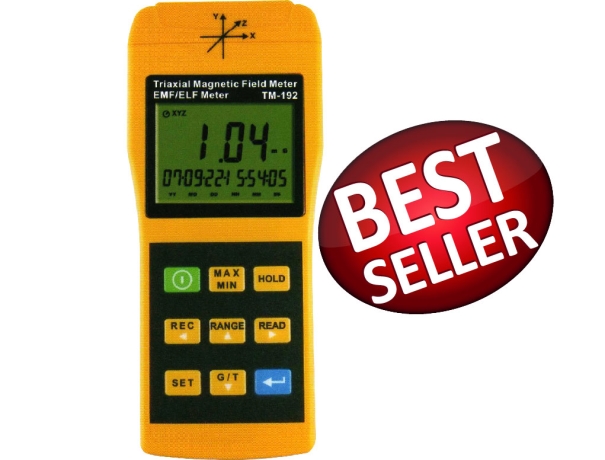
Magnetic fields arise from the movement of electric charges. Unlike EMFs, magnetic radiation specifically refers to fields associated with alternating or direct current systems.
Sources of Magnetic Radiation
- Power lines
- Electric motors
- Industrial machinery
Impact of Magnetic Radiation on Health
Excessive exposure to strong magnetic fields can interfere with electronic implants like pacemakers and may cause other biological effects. Monitoring magnetic radiation levels is particularly critical in industrial settings.
Radioactive Radiation
Overview of Radioactive Radiation
This type of radiation comes from unstable atoms that release energy in the form of particles or waves. It’s categorized into alpha, beta, and gamma radiation, each with varying penetration abilities.
Natural vs. Man-Made Sources
- Natural: Radon gas, cosmic rays, and naturally occurring isotopes
- Man-Made: Nuclear power plants, medical imaging devices, and industrial applications
Risks of Exposure to Radioactive Radiation
Exposure to high levels of radioactive radiation can lead to severe health effects, including radiation sickness and increased cancer risk. Regular monitoring is vital in environments with potential exposure.
Features of Modern Radiation Meters
Modern radiation meters boast advanced features such as real-time data display, high sensitivity, and the ability to detect multiple types of radiation. Some models are equipped with Bluetooth connectivity and can sync with smartphones for detailed analysis.
How to Choose the Right Radiation Meter
When selecting a radiation meter, consider:
- Type of Radiation: Determine whether you need to measure EMF, magnetic, or radioactive radiation.
- Sensitivity: Choose a device with high sensitivity for accurate readings.
- Portability: Handheld models are ideal for field use, while stationary units suit industrial settings.
Using Radiation Meters Safely and Effectively
To get the most accurate readings, follow these tips:
- Always calibrate your device as per the manufacturer’s guidelines.
- Avoid exposing the meter to extreme temperatures or moisture.
- Regularly clean and inspect your meter for optimal performance.
Applications of Radiation Meters
Residential Use
Radiation meters are invaluable for identifying EMF hotspots at home. By pinpointing high-radiation areas, you can rearrange furniture or limit time spent near these sources.
Industrial Applications
Industries such as manufacturing and energy rely on radiation meters to ensure worker safety and regulatory compliance. These devices help monitor emissions from machinery and other equipment.
Scientific Research
From studying cosmic rays to testing radioactive materials, radiation meters play a crucial role in research. Their precision makes them indispensable in laboratories.
Medical Field
Radiation meters are essential in hospitals to protect staff and patients from overexposure during imaging procedures like X-rays and CT scans.
What is the difference between EMF and radioactive radiation?
EMF radiation arises from electrical and magnetic fields, while radioactive radiation comes from unstable atomic nuclei emitting particles or waves.