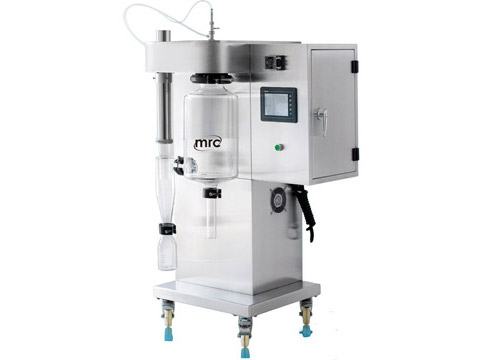
A laboratory spray dryer is a type of drying equipment commonly used in laboratories and research facilities. It is used to dry liquid samples into fine powders quickly and efficiently.
The spray dryer works by atomizing the liquid sample into fine droplets, which are then dried by coming into contact with hot air. The hot air evaporates the moisture from the droplets, leaving behind a fine powder.
Uses of Laboratory Spray Dryer
There are several uses for a laboratory spray dryer. One common use is in the production of powders for pharmaceuticals and other medical applications. The spray drying process allows for the rapid and controlled production of uniform, free-flowing powders, which can then be used to make tablets and capsules.
Another use for a spray dryer is in the production of food powders. Many food products, such as instant coffee and soup mixes, are made using spray drying. The process allows for the production of fine, stable powders that can be easily reconstituted with water.
Additionally, laboratory spray dryers are commonly used in the production of ceramics and other materials. The spray drying process allows for the production of fine, uniform powders, which can then be used in the manufacture of these materials.
Overall, the laboratory spray dryer is a versatile and useful piece of equipment that is widely used in a variety of research and production applications. It allows for the rapid and efficient drying of liquid samples into fine powders, making it an essential tool in many laboratory settings.
Spray Dryer Technology
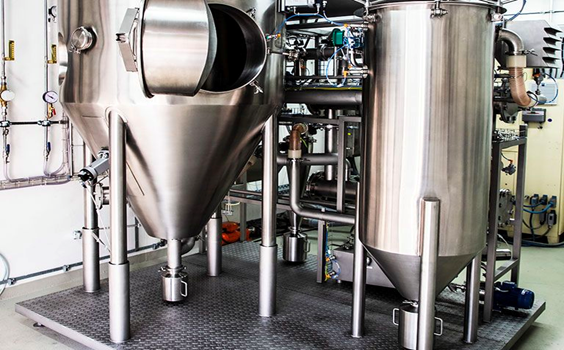
Spray dryer technology is a process used to produce dry powders from liquid or slurry feedstocks. It involves atomizing the feedstock into small droplets and spraying them into a hot air stream, where the water or other solvent is evaporated, leaving behind a dry powder.
Spray drying is widely used in the food, pharmaceutical, and chemical industries for the production of powders with a uniform size, shape, and moisture content. It is a cost-effective and efficient method for producing high-quality powders with a wide range of applications.
What is Spray Dryer:
A spray dryer is a machine that uses a hot gas stream to rapidly dry a liquid or slurry feedstock into a dry powder. The liquid feed is atomized into small droplets and sprayed into the hot gas stream, where the water or other solvent in the droplets is evaporated, leaving behind a dry powder.
Spray dryers are widely used in the food, pharmaceutical, and chemical industries for the production of powders with a uniform size, shape, and moisture content.
There are several types of spray dryers available, including nozzle atomizers, rotary atomizers, and two-fluid atomizers.
Each type has its own advantages and disadvantages, and the best choice for a particular application will depend on the properties of the feedstock and the desired characteristics of the final product.
How it Works:
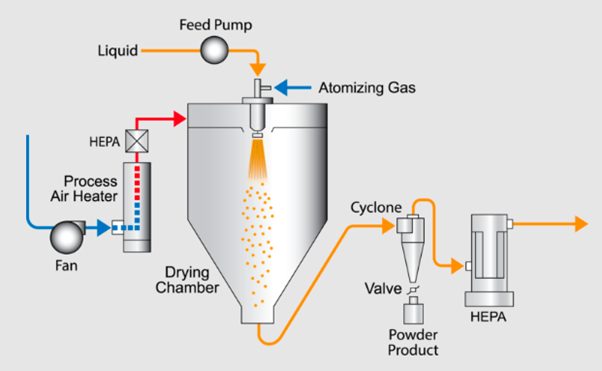
Here is a brief overview of how a spray dryer works:
- The liquid feedstock is prepared and fed into the spray dryer through a feed pump or rotary atomizer.
- The feedstock is atomized into small droplets using a nozzle atomizer, rotary atomizer, or two-fluid atomizer. The size of the droplets can be adjusted to control the size and shape of the final product.
- The atomized droplets are sprayed into a hot gas stream, typically produced by a gas burner or electric heater. The hot gas stream evaporates the water or other solvent in the droplets, leaving behind a dry powder.
- The dry powder is collected in a cyclone separator or bag filter, while the hot gas is cooled and recirculated back into the spray dryer.
- The dry powder is then cooled, sieved, and packed for storage or transport.
There are many factors that can influence the spray drying process, including the properties of the feedstock, the atomization method, the air temperature and humidity, and the flow rate of the feedstock.
By adjusting these variables, it is possible to control the size and shape of the final product, as well as its moisture content and other physical properties.
Application/Uses of Spray Dryer:
Spray dryers are widely used in various industries for the production of powders with a uniform size, shape, and moisture content. Some of the main applications and uses of spray dryers include:
- ●Food processing: Spray dryers are used to produce a wide range of food products, including milk and dairy products, coffee, tea, spices, and flavors.
- ●Pharmaceuticals: Spray dryers are used to produce a variety of pharmaceutical products, such as tablets, capsules, and powders.
- ●Chemicals: Spray dryers are used to produce chemicals, such as pigments, catalysts, and detergents, in a dry, flowable form.
- ●Ceramics: Spray dryers are used to produce ceramic powders for use in the production of ceramics, such as tiles and pottery.
- ●Biotechnology: Spray dryers are used in biotechnology to produce enzymes, hormones, and other bioactive molecules in a dry, stable form.
- ●Environmental technology: Spray dryers are used in environmental technology to treat and recycle industrial waste streams, such as waste water and hazardous materials.
In addition to these applications, spray dryers can also be used to produce a wide range of other products, including plastics, fertilizers, and industrial materials.
Advantages of Spray Dryer:
There are several advantages to using a spray dryer. Here are some of the main advantages of using spray dryer:
- ●Consistent particle size and shape: Spray drying allows for the production of powders with a consistent particle size and shape, which is important for the stability, shelf life, and performance of many products.
- ●High surface area: Spray drying can produce powders with a high surface area, which can improve solubility and flowability.
- ●Efficiency and cost-effectiveness: Spray drying is a fast and efficient method for producing dry powders, and it can be more cost-effective than other drying methods, such as freeze drying or drum drying.
- ●Wide range of feedstocks: Spray dryers can handle a wide range of feedstocks, including liquids, pastes, and slurries, making them suitable for a variety of applications.
- ●Easy to scale up: Spray dryers can be easily scaled up or down to meet changing production needs, making them suitable for both small-scale and large-scale operations.
- ●Easy to clean and maintain: Spray dryers are relatively easy to clean and maintain, which helps to reduce downtime and improve productivity.
Safety, Dangers, Disadvantages of Spray Dryer:
While spray dryers have many advantages, there are also some safety concerns and potential dangers to consider. Some of the main safety, dangers, and disadvantages of spray dryers include:
- ●Risk of explosion or fire: Spray dryers use a hot gas stream, which can present a risk of explosion or fire if the equipment is not properly maintained or if flammable materials are present.
- ●Contamination: There is a risk of contamination in the spray drying process, especially if the feedstock is not properly filtered or if the equipment is not properly cleaned.
- ●Health hazards: Some feedstocks used in spray drying can release hazardous or toxic fumes, which can be harmful to workers if inhaled.
- ●Limited feedstock viscosity: Spray dryers are not well-suited for handling highly viscous or abrasive feedstocks, which can clog the atomization equipment or wear out the dryer.
- ●Limited product size range: Spray dryers are typically limited to producing powders in a narrow size range, which may not be suitable for all applications.
- ●Limited moisture content control: Spray dryers may not be able to produce powders with very low moisture content, which can be a problem for certain applications.