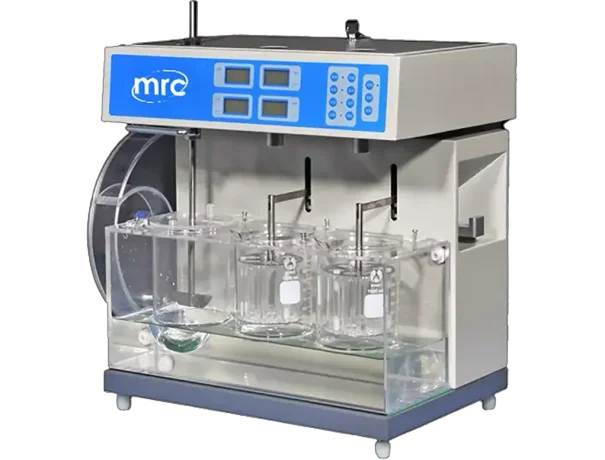
Laboratory tablet testers are specialized instruments used to evaluate the physical and chemical properties of tablets.Imagine taking a medicine that does not dissolve properly. Or worse, one that contains the wrong dosage. Tablet testing prevents these risks by verifying that every batch meets strict quality standards.
Definition and Purpose
These devices measure parameters like hardness, disintegration, dissolution, and friability. In simple terms, they answer one critical question: will this tablet perform correctly in the human body?
How They Work
Each tester simulates real-world conditions. For example, dissolution testers mimic the human digestive system, while friability testers replicate mechanical stress during transport.
Importance of Tablet Testing Equipment
Regulatory Compliance (USP, EP, BP)
Pharmaceutical products must comply with standards such as USP, EP, and BP. Without proper testing, a product cannot legally reach the market.
Ensuring Product Safety and Consistency
Testing ensures that each tablet contains the correct amount of active ingredient and performs consistently across batches.
Key Tablet Quality Parameters
Tablet testing focuses on several critical parameters.
Mechanical Properties
Chemical Performance
- Dissolution rate
- Disintegration time
Uniformity and Stability
- Weight variation
- Content uniformity
Types of Laboratory Tablet Testers
Modern laboratories use a range of instruments designed for specific tests.
Dissolution Tester
A dissolution tester measures how quickly and how much of the active pharmaceutical ingredient is released into a liquid medium.
Working Principle
The tablet is placed in a vessel with a dissolution medium. Agitation is applied, and samples are taken over time to analyze drug release.
Tablet Disintegration Tester
This tester measures the time required for a tablet to break down into smaller particles.
Testing Procedure
Tablets are placed in baskets that move up and down in a liquid medium until complete disintegration occurs.
Tablet Hardness Tester
A hardness tester evaluates the mechanical strength of a tablet.
Crushing Strength Measurement
The tablet is compressed until it breaks, and the force required is recorded.
Tablet Friability Tester
Friability testers measure the tablet’s resistance to abrasion.
Abrasion Resistance
Tablets are rotated in a drum, and weight loss is calculated after a set number of revolutions.
Tablet Four-Usage Tester
A four-usage tester combines multiple tests into a single instrument.
Multi-parameter Testing
It can measure hardness, diameter, thickness, and weight, making it highly efficient for quality control labs.
Dissolution Testing Explained
Importance in Drug Release
Dissolution testing predicts how a drug behaves inside the body. If it dissolves too slowly or too quickly, the treatment may fail.
Paddle vs Basket Methods
Two common methods are used:
- Paddle method for most tablets
- Basket method for capsules and floating tablets
Disintegration Testing Explained
Why Tablets Must Disintegrate
Before a drug dissolves, it must break apart. Disintegration testing ensures that tablets do not remain intact for too long.
Time Limit Standards
Regulatory guidelines define acceptable disintegration times depending on the type of tablet.
Hardness Testing Explained
Compression Strength Importance
Too soft, and the tablet breaks during transport. Too hard, and it may not dissolve properly.
Avoiding Over-Hard Tablets
Balance is key. Manufacturers adjust compression force to achieve optimal hardness.
Friability Testing Explained
Durability During Transport
Tablets experience stress during packaging and shipping. Friability testing simulates these conditions.
Acceptable Limits
Typically, weight loss should not exceed 1%.