As agriculture becomes increasingly reliant on precision irrigation, it is important to have the right tools to ensure that plants are receiving the right amount of water. One such tool is the pressure chamber, which allows farmers to measure the pressure potential of a plant, which can help to determine if it needs to be irrigated. In this article, we will explore the importance of pressure chambers in agriculture and how they can help farmers optimize irrigation practices.
What is a Pressure Chamber?
A pressure chamber is a device that allows farmers to measure the pressure potential of a plant, which is the amount of water that the plant is able to extract from the soil. This measurement is taken by placing a leaf or stem from the plant into the chamber and then increasing the pressure inside the chamber until water is forced out of the leaf or stem. The pressure at which water is forced out can be used to determine the pressure potential of the plant.
Why are Pressure Chambers Important in Agriculture?
Pressure chambers are important in agriculture because they allow farmers to determine when plants are under stress due to lack of water. By measuring the pressure potential of a plant, farmers can determine if the plant needs to be irrigated, and if so, how much water it needs. This can help to optimize irrigation practices, which can lead to healthier plants and higher yields.
How do Pressure Chambers Help Farmers Optimize Irrigation Practices?
Pressure chambers help farmers optimize irrigation practices by allowing them to determine when plants are under stress due to lack of water. By measuring the pressure potential of a plant, farmers can determine if the plant needs to be irrigated, and if so, how much water it needs. This can help to ensure that plants are receiving the right amount of water, which can lead to healthier plants and higher yields.
Benefits of Using a Pressure Chamber
There are several benefits to using a pressure chamber in agriculture. First, pressure chambers allow farmers to optimize irrigation practices, which can lead to healthier plants and higher yields. Second, pressure chambers are relatively easy to use and require minimal training. Third, pressure chambers are portable, which means that they can be used in the field.
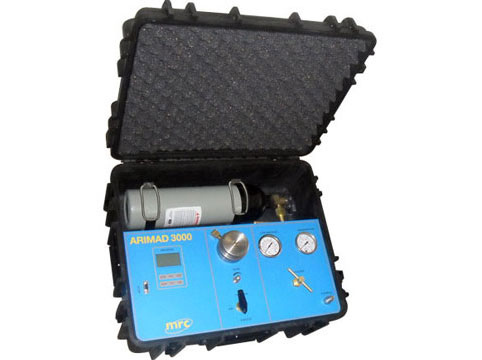
Water Potential for Agriculture
Water potential is a crucial concept in agriculture, as it determines how water moves through plants and soil. Understanding water potential is essential for farmers to optimize irrigation practices and ensure that plants are receiving the right amount of water.
What is Water Potential?
Water potential is a measure of the potential energy of water in a system. In the context of agriculture, it refers to the potential energy of water in the soil, plants, and atmosphere. Water always flows from an area of high water potential to an area of low water potential, in an attempt to equalize the potential energy.
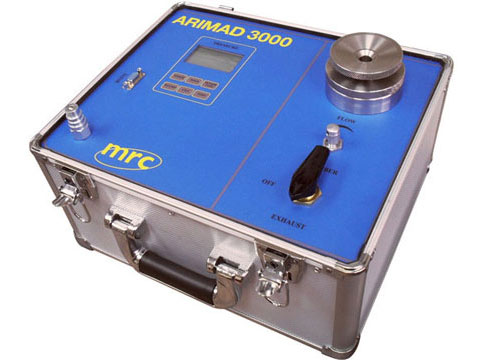
Water Potential in Plants
Water is a vital resource in agriculture. In regions where rainfall is insufficient, farmers must rely on irrigation to ensure the survival of their crops. However, simply supplying water to plants is not enough. The water must be of the right quality, quantity, and timing to achieve optimal yield. This article explores the concept of water potential in plants and its relevance for farmers. We will address topics such as the definition of water potential, how to measure it, and how to manage it effectively.
What is Water Potential?
Water potential is a measure of the energy or force exerted by water molecules on their surroundings. It refers to the potential of water to move from one place to another due to differences in concentration, pressure, and gravity. Water moves from areas of high potential to areas of low potential, just as a ball rolls downhill. The water potential of pure water under standard conditions is zero. However, when solutes are added to water, the water potential becomes negative.
Understanding the Components of Water Potential
Water potential consists of two main components: pressure potential and solute potential.
- Pressure potential refers to the mechanical pressure that water exerts on its surroundings. It can be positive or negative depending on the conditions.
- Solute potential refers to the effect of solutes on water potential. It is always negative, since solutes reduce the energy of water molecules and restrict their movement.
Measuring Water Potential in Plants
There are several methods for measuring water potential in plants, but the most common one is the use of a device called a pressure chamber (also known as a pressure bomb). The pressure chamber measures the amount of pressure required to stop the movement of water in a leaf or stem. Using these pressure values and some calculations, the water potential of plant tissue can be determined.
Other methods include:
- Tensiometers, which measure water tension in the soil.
- Psychrometers, which measure the humidity of the air.
Managing Water Potential in Agriculture
Water potential is a critical concept for farmers since it affects water uptake by plants and overall crop productivity. To manage water potential effectively, farmers must consider several factors, such as soil type, irrigation system, crop type, and weather conditions.
A common strategy is to maintain soil water potential at a level that ensures plants have access to water without causing overwatering or water stress. This can be achieved by monitoring soil moisture and adjusting the irrigation schedule accordingly.
Buying a Pressure Chamber
If you are interested in purchasing a pressure chamber to measure water potential, there are several considerations:
- Ensure you buy a chamber suitable for your applications.
- MUNRO provides a wide range of pressure chambers for water potential measurement.
As agriculture becomes increasingly dependent on precise irrigation, it is crucial to have the right tools to ensure plants receive the correct amount of water. One such tool is the pressure chamber, which allows farmers to measure plant water potential and determine whether irrigation is necessary.
What is a Pressure Chamber?
A pressure chamber is a device that enables farmers to measure plant water potential—the amount of water the plant can extract from the soil. The measurement is performed by placing a leaf or stem inside the chamber and gradually increasing the pressure until water is forced out of the tissue. The pressure at which water emerges indicates the water potential of the plant.
Why Are Pressure Chambers Important in Agriculture?
Pressure chambers are essential in agriculture because they allow farmers to determine when plants are under stress due to water shortage. By measuring plant water potential, farmers can decide whether irrigation is needed and, if so, how much water should be applied. This helps optimize irrigation practices, leading to healthier plants and higher yields.
How Do Pressure Chambers Help Farmers Optimize Irrigation?
Pressure chambers help farmers by indicating when plants experience water stress. Measuring water potential allows farmers to decide whether irrigation is required and to determine the appropriate water quantity. This ensures that crops receive the correct amount of water.
Advantages of Using Pressure Chambers
There are several benefits to using pressure chambers in agriculture:
- Optimized irrigation – leading to healthier plants and higher yields.
- Ease of use – they are relatively simple to operate and require minimal training.
- Portability – they can be used in the field, allowing consistent irrigation practices to achieve uniform crop outcomes.