A hematocrit centrifuge, often called a microhematocrit centrifuge, is a specialized laboratory instrument used to determine the hematocrit value (HCT) of blood. Hematocrit represents the percentage of red blood cells within total blood volume and is one of the most frequently performed measurements in clinical laboratories.
This measurement plays an essential role in diagnosing and monitoring conditions such as:
-
Anemia
-
Dehydration
-
Polycythemia
-
Blood loss
-
Bone marrow disorders
Hematocrit centrifuges are widely used in clinical laboratories, hospitals, veterinary laboratories, blood banks, research institutions, and diagnostic centers. Their ability to provide rapid and reliable separation of blood components makes them a fundamental tool in routine blood analysis.
What Is a Hematocrit Centrifuge?
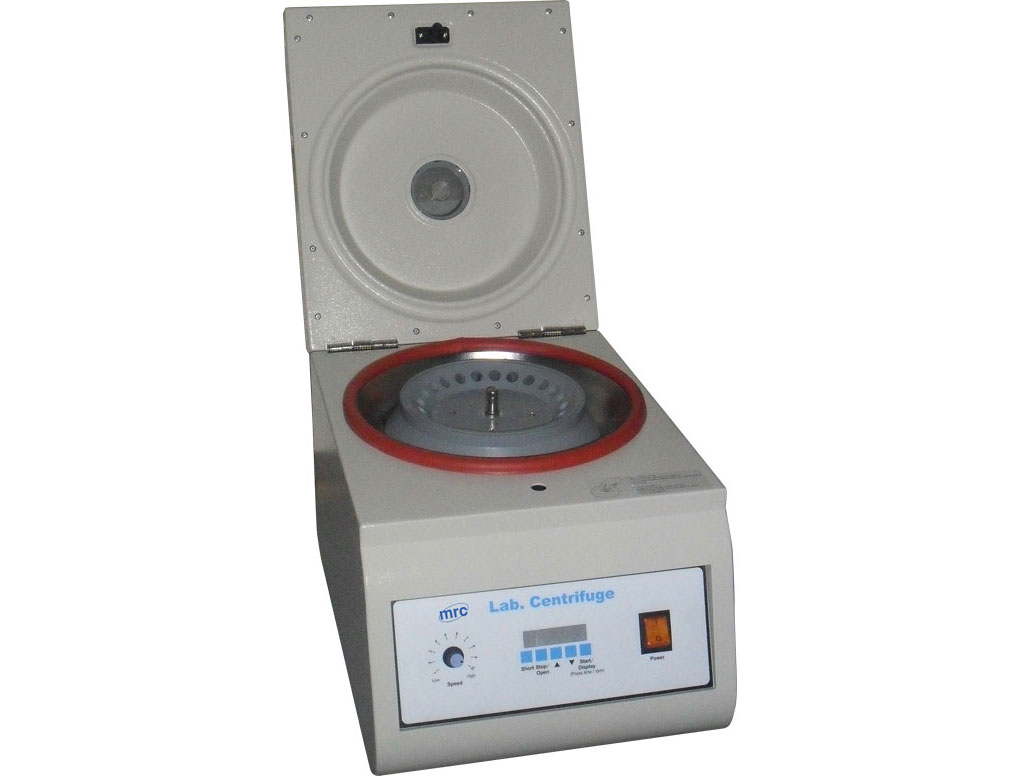
A hematocrit centrifuge is a high-speed centrifuge designed specifically for spinning capillary tubes filled with blood samples. The rapid rotation generates strong centrifugal force that separates blood into layers according to density.
After centrifugation, the blood inside the capillary tube separates into three primary layers:
-
Packed red blood cells (RBCs) – bottom layer
-
Buffy coat – thin middle layer containing white blood cells and platelets
-
Plasma – clear yellow top layer
The ratio of the red blood cell layer to the total blood column determines the hematocrit value.
Typical centrifugation takes only 3 to 5 minutes, making hematocrit centrifuges extremely efficient for high-throughput clinical testing.
How Hematocrit Centrifuges Work
The Principle of Centrifugal Separation
Centrifugation relies on centrifugal force, which pushes heavier components outward from the center of rotation.
When blood-filled capillary tubes spin at high speed:
-
Red blood cells, being the densest component, move outward and pack at the bottom.
-
White blood cells and platelets form the buffy coat layer.
-
Plasma remains on the top as the lightest component.
The stronger the centrifugal force, the faster and more precise the separation.
Typical Operating Speeds
Most hematocrit centrifuges operate between:
This produces relative centrifugal forces (RCF) exceeding 12,000 g, which ensures rapid packing of red blood cells for accurate measurement.
Key Components of a Hematocrit Centrifuge
1. Capillary Tube Rotor
The rotor is designed to hold microhematocrit capillary tubes in radial slots. Depending on the model, rotors may accommodate:
-
12 tubes
-
24 tubes
-
36 tubes
-
48 tubes
High-capacity rotors allow laboratories to process many samples simultaneously.
2. Tube Holders and Sealing System
Capillary tubes are sealed at one end with clay sealant to prevent leakage during spinning. The rotor holds the sealed end outward so that cells pack efficiently.
3. Safety Lid and Locking Mechanism
Because hematocrit centrifuges spin at very high speeds, they include:
These safety features prevent accidents and protect users.
4. Digital Control Panel
Modern hematocrit centrifuges include digital controls allowing users to set:
Many models also include LED displays and preset programs.
Types of Hematocrit Centrifuges
Manual Hematocrit Centrifuges
Traditional models operate with simple mechanical timers and speed settings. They are reliable and cost-effective but offer limited automation.
Modern laboratories often prefer digital units that provide:
-
Precise speed control
-
Programmable timers
-
Automatic stopping
-
Safety alarms
These systems improve consistency and reduce operator error.
Multi-Purpose Microhematocrit Centrifuges
Some instruments combine hematocrit measurement with general microcentrifuge functions, allowing laboratories to perform additional microvolume separations.
Hematocrit Testing Procedure
The hematocrit measurement process typically follows these steps.
Step 1: Sample Collection
Blood is collected using standard clinical methods such as:
-
Finger prick
-
Capillary sampling
-
Venous blood collection
Step 2: Filling the Capillary Tube
A microhematocrit capillary tube is filled with blood by capillary action until approximately 70 to 75 percent full.
Step 3: Sealing the Tube
One end of the capillary tube is sealed with clay sealant to prevent blood from escaping during centrifugation.
Step 4: Loading the Centrifuge
The tubes are placed in the rotor with the sealed end facing outward.
Balancing the rotor is essential to prevent vibration or rotor damage.
Step 5: Centrifugation
The centrifuge spins at high speed for approximately 3 to 5 minutes.
Step 6: Reading the Hematocrit Value
After centrifugation, the tube is placed on a hematocrit reader that measures the percentage of red blood cells relative to the total blood column.
Clinical Importance of Hematocrit Measurement
Hematocrit testing provides valuable diagnostic information.
Detecting Anemia
Low hematocrit values often indicate:
-
Iron deficiency
-
Blood loss
-
Chronic disease
-
Bone marrow disorders
Diagnosing Polycythemia
Elevated hematocrit levels may signal:
-
Polycythemia vera
-
Chronic hypoxia
-
Dehydration
Monitoring Hydration Levels
Changes in plasma volume directly affect hematocrit values, making the test useful for evaluating hydration status.
Assessing Blood Disorders
Hematocrit measurement helps clinicians evaluate:
-
Leukemia
-
Hemoglobin abnormalities
-
Bone marrow function
Advantages of Hematocrit Centrifuges
Rapid Results
Hematocrit centrifuges provide results within minutes, making them ideal for emergency diagnostics and point-of-care testing.
High Accuracy
Strong centrifugal force ensures tight packing of red blood cells, improving measurement accuracy.
Compact Design
Most hematocrit centrifuges are small benchtop instruments, making them suitable for laboratories with limited space.
Cost Efficiency
Compared to automated hematology analyzers, hematocrit centrifuges offer a low-cost alternative for basic blood analysis.
Typical Applications of Hematocrit Centrifuges
Hematocrit centrifuges are widely used in various fields.
Clinical Laboratories
Routine blood testing and anemia screening.
Hospitals and Emergency Rooms
Rapid diagnostics during patient assessment.
Veterinary Clinics
Blood analysis for animals and livestock.
Research Laboratories
Studies involving blood physiology and hematology.
Blood Banks
Monitoring donor blood characteristics.
Key Factors When Choosing a Hematocrit Centrifuge
Selecting the right instrument depends on several technical factors.
Maximum Speed
Higher RPM allows faster and more efficient packing of red blood cells.
Typical recommended range:
Rotor Capacity
Laboratories with higher workloads should select models with 24 to 48 tube capacity.
Safety Features
Look for instruments that include:
-
Lid lock protection
-
Imbalance detection
-
Over-speed protection
Noise and Stability
High-quality centrifuges feature balanced rotors and vibration reduction systems.
Durability
Laboratories benefit from centrifuges constructed with: