Desiccators may not seem like the most glamorous equipment in a lab, but their role in protecting delicate samples from moisture is essential. Whether you're working in a chemistry lab, storing electronics, or conducting biological research, desiccators are important in keeping materials dry and uncontaminated. Let's dive into what we know about desiccators, their uses, and how to make the most of this indispensable tool.
What is a Desiccator?
A desiccator is a sealed container designed to keep materials dry by removing moisture from the air inside. desiccators are typically used in laboratories to protect moisture-sensitive items such as chemicals, biological samples, and even electronics. By creating an environment with little to no humidity, a desiccator ensures that materials remain uncontaminated and stable for future use.
Purpose and Function
The primary function is to protect sensitive items from moisture in the atmosphere. It uses a desiccant—an absorbent material—to pull moisture out of the air, maintaining a dry environment within the sealed chamber. Whether you're storing reactive chemicals or preserving delicate biological samples, the desiccator ensures they are not exposed to potentially damaging humidity.
The History of Desiccators
Desiccators have been around for centuries, initially used in basic scientific experiments to preserve the integrity of materials. Early desiccators were simple glass containers sealed with wax. As scientific needs evolved, so did the design of desiccators, resulting in today's highly specialized and versatile models, capable of vacuum sealing and maintaining ultra-low humidity levels.
Types of Desiccators
There are several types of desiccators, each with its own specific use. The three most common types are:
Standard Desiccators
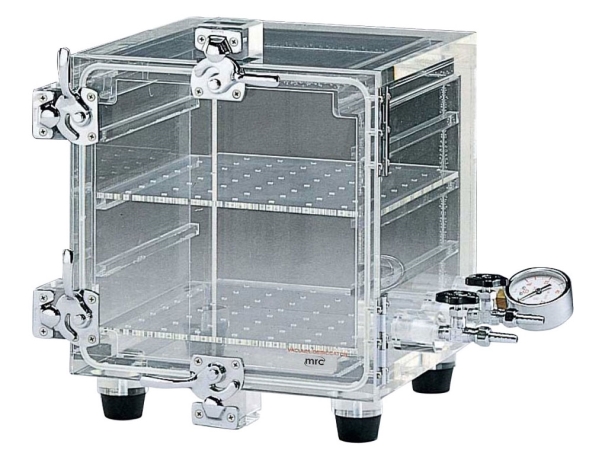
These are the most basic type, usually a glass or plastic container with a lid that seals tightly. Inside, a desiccant is placed to absorb moisture from the air. They are ideal for general-purpose drying and storage of moisture-sensitive materials.
Vacuum Desiccators
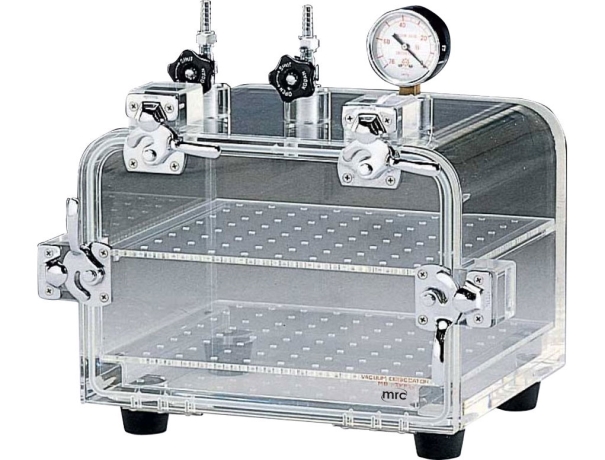
Vacuum desiccators take moisture control a step further by removing air from the chamber. This creates a vacuum that further reduces the humidity inside, making it ideal for drying highly sensitive or reactive chemicals.
Automatic Desiccators
These high-tech desiccators monitor the moisture levels inside the chamber and automatically activate a drying process when humidity rises above a certain threshold. They are often used in environments where constant dryness is required without manual intervention.
The Role of Desiccants in Desiccators
Common Desiccants Used
Desiccants are materials that absorb moisture from the air. Common desiccants used in desiccators include silica gel, calcium sulfate, and activated charcoal. Each has unique properties that make it ideal for different applications. For instance, silica gel is highly effective at absorbing moisture but doesn't perform well at high temperatures, while calcium sulfate works better in hotter environments.
How Desiccants Work
Desiccants work by absorbing water molecules from the air. As the air inside the desiccator passes over the desiccant material, the desiccant captures and holds the moisture, leaving the air inside the chamber dry. Over time, desiccants can become saturated and must be replaced or recharged to continue functioning effectively.
Applications of Desiccators in Laboratories
They are widely used across various fields of research and industry. Their applications include:
Chemical Research
In chemical labs, desiccators are vital for storing hygroscopic materials—those that absorb water from the air. Keeping these chemicals dry ensures accurate measurements and reactions.
Biological Research
Biologists use desiccators to store biological samples like DNA, proteins, or enzymes, which are sensitive to moisture. These samples must remain dry to maintain their structure and function.
Industrial Uses
Used in industrial settings, especially for protecting electronics and machinery parts from moisture damage.
How to Properly Use a Desiccator
To get the most out of your desiccator, follow these steps:
- Choose the right desiccant based on your sample and environment.
- Ensure the desiccator is clean and dry before placing any samples inside.
- Place the desiccant in the bottom chamber of the desiccator.
- Seal the desiccator tightly to prevent air leakage.
- Periodically check the desiccant and replace or recharge it when necessary.
Precautions
When using a desiccator, be mindful of temperature changes. Rapid temperature fluctuations can cause condensation inside the chamber, defeating the purpose of the desiccator.
Maintenance of Desiccators
Regular maintenance is crucial to ensure your desiccator functions correctly. This includes:
- Cleaning the desiccator regularly to prevent contamination.
- Replacing desiccants once they reach saturation.
- Checking seals to ensure no air is leaking into the chamber.
Materials Used to Make Desiccators
Glass Desiccators
Glass desiccators are the traditional choice for many labs because they are chemically resistant and transparent, allowing users to see inside without opening the container. However, they can be fragile and expensive.
Plastic Desiccators
Plastic desiccators are lightweight and less expensive than their glass counterparts. They are also more resistant to breakage, making them a good choice for high-traffic environments. However, they may be less chemically resistant.
Benefits of Using Desiccators
Desiccators offer several key benefits, including:
- Preservation of samples: Desiccators help preserve the integrity of sensitive materials by keeping them dry.
- Prevention of moisture damage: They protect samples from moisture-related damage such as corrosion, mold growth, or chemical degradation.