Science laboratory instruments are the backbone of scientific research and experimentation. These tools are essential for conducting accurate and reliable experiments, making discoveries, and advancing knowledge across various fields. From academic institutions to industrial settings, the use of science laboratory instruments is ubiquitous. This article delves into the different types of laboratories that require these instruments and highlights their importance in each setting.
Types of Science Laboratory Instruments
Analytical Instruments
Analytical instruments, such as spectrometers and chromatographs, are used to analyze the composition of substances. They are crucial in determining chemical structures and concentrations.
Measuring Instruments
Measuring instruments like balances, thermometers, and pH meters are fundamental for obtaining precise measurements of mass, temperature, and acidity, respectively.
Laboratory Glassware
Beakers, flasks, pipettes, and test tubes are essential for mixing, measuring, and handling chemicals in a laboratory setting.
Biological Instruments
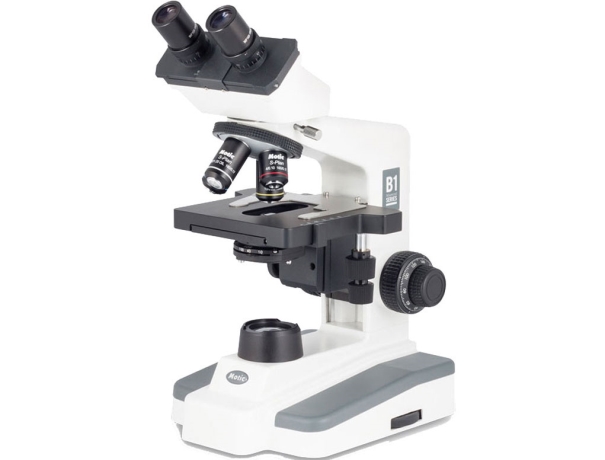
Microscopes, centrifuges, and incubators are used to study biological samples and organisms, facilitating research in biology and medicine.
Chemical Instruments
Chemical instruments include titrators and calorimeters, which are used for various chemical analyses and experiments.
Academic Laboratories
Elementary and High School Science Labs
School Science Laboratory Equipment is equipped with basic instruments such as microscopes, balances, and glassware to introduce students to scientific principles and experiments.
University Research Labs
University labs have more advanced instruments like electron microscopes, NMR spectrometers, and mass spectrometers to support high-level research and innovation.
Medical Laboratories
Clinical Labs
Clinical laboratories use instruments like blood analyzers and spectrophotometers to conduct tests on patient samples, aiding in diagnosis and treatment.
Diagnostic Labs
Diagnostic labs rely on various instruments to identify diseases, including PCR machines and ELISA readers.
Pathology Labs
Pathology labs utilize microscopes and staining instruments to study tissue samples and diagnose medical conditions.
Industrial Laboratories
Research and Development Labs
R&D labs in industries use a wide range of instruments, from calorimeters to tensile testers, to develop new products and improve existing ones.
Quality Control Labs
Quality control labs ensure that products meet specified standards by using instruments such as hardness testers and spectrometers.
Environmental Laboratories
Pollution Monitoring Labs
These labs use instruments like gas chromatographs and particulate matter sensors to monitor air and water quality.
Conservation Labs
Conservation labs employ various tools to study and preserve environmental samples and artifacts.
Forensic Laboratories
Crime Scene Investigation Labs
Forensic labs analyze evidence using instruments such as DNA sequencers and forensic microscopes.
Toxicology Labs
Toxicology labs detect and quantify toxins in biological samples using instruments like gas chromatographs and mass spectrometers.
Pharmaceutical Laboratories
Drug Development Labs
Drug development labs use a variety of analytical instruments to formulate and test new drugs.
Pharmacokinetics Labs
These labs study the absorption, distribution, metabolism, and excretion of drugs using instruments like HPLC and mass spectrometers.
Food and Beverage Laboratories
Quality Assurance Labs
QA labs in the food industry use instruments like moisture analyzers and microbiological testing equipment to ensure product safety and quality.
Nutritional Analysis Labs
Nutritional analysis labs measure the nutritional content of food using instruments such as calorimeters and chromatography systems.
Agricultural Laboratories
Soil Testing Labs
Soil testing labs use pH meters, spectrometers, and other instruments to analyze soil samples for nutrient content and composition.
Crop Research Labs
These labs study crop genetics and growth using instruments like gene sequencers and growth chambers.
Biotechnology Laboratories
Genetic Research Labs
Genetic research labs employ instruments like PCR machines and DNA sequencers to study genes and genetic variations.
Bioengineering Labs
Bioengineering labs use bioreactors and other specialized instruments to develop new biological products and processes.
Government Laboratories
Regulatory Compliance Labs
Government labs ensure compliance with regulations by using instruments like spectrometers and chromatographs to test various products.
Public Health Labs
Public health labs monitor and control public health threats using instruments like microbiological incubators and automated analyzers.
Space and Aeronautical Laboratories
Aerospace Research Labs
These labs use wind tunnels, thermal chambers, and other specialized instruments to study aerospace materials and designs.
Space Exploration Labs
Space exploration labs use a variety of instruments to analyze samples from space missions and develop space technologies.
Importance of Proper Instrumentation
Accuracy and Precision
Accurate and precise instruments are vital for obtaining reliable experimental results and advancing scientific knowledge.
Safety and Compliance
Proper instrumentation ensures the safety of laboratory personnel and compliance with regulatory standards, minimizing risks and enhancing the reliability of results.