In the world of science, microbiology stands out as a fascinating and vital field. It involves the study of microscopic organisms that impact our health, environment, and industries. But to explore this invisible world, you need the right laboratory equipment. Whether you're setting up a new lab or upgrading your current setup, choosing the right tools can make all the difference.
What is Microbiology?
Microbiology is the branch of science that deals with microorganisms, including bacteria, viruses, fungi, and protozoa. These tiny organisms can be found everywhere, from the soil we walk on to the food we eat, and even inside our bodies. Microbiologists study these organisms to understand their behavior, interactions, and impacts on other living beings.
Applications of Microbiology
Microbiology has a broad range of applications that affect various aspects of our lives. Let's dive into some of the key areas:
Medical Field
In medicine, microbiology is crucial for diagnosing and treating infectious diseases. Microbiologists work to identify pathogens and develop antibiotics and vaccines. Laboratories perform countless tests daily to detect bacterial infections, viral outbreaks, and other microbial threats to human health.
Environmental Studies
Microorganisms play a significant role in the environment. They help in decomposing organic matter, cycling nutrients, and even cleaning up pollutants through bioremediation. Environmental microbiologists study these processes to understand and solve environmental issues.
Food Industry
The food industry relies heavily on microbiology to ensure the safety and quality of food products. From fermentation processes that create delicious cheeses and yogurts to testing for harmful bacteria in meat and produce, microbiologists help keep our food supply safe and nutritious.
Essential Laboratory Equipment for Microbiology
When it comes to microbiology, having the right laboratory equipment is essential. Here are some of the must-have tools for any microbiology lab:
Microscopes
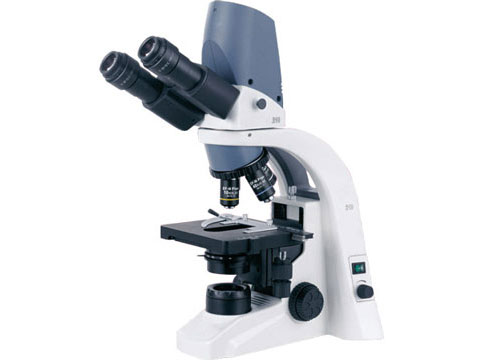
Microscopes are the cornerstone of any microbiology lab. They allow scientists to observe microorganisms that are invisible to the naked eye.
Types of Microscopes
There are several types of microscopes, including light microscopes, electron microscopes, and fluorescence microscopes. Each type offers different levels of magnification and resolution, catering to various research needs.
Choosing the Right Microscope
Selecting the right microscope depends on your specific requirements. For general observations, a standard light microscope might suffice. However, for detailed cellular studies, an electron microscope could be more appropriate.
Autoclaves
Autoclaves are vital for sterilizing equipment and culture media, ensuring that your experiments remain uncontaminated.
Importance of Sterilization
Sterilization is crucial in microbiology to prevent cross-contamination and ensure the accuracy of your results. Autoclaves use high-pressure steam to kill any microorganisms on your lab equipment.
Features to Look for in an Autoclave
When choosing an autoclave, consider factors like capacity, cycle time, and ease of use. Some advanced models come with programmable settings and digital displays for better control and convenience.
Incubators
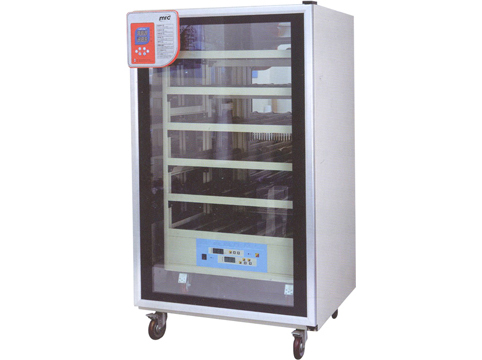
Laboratory Incubators provide the ideal conditions for growing and maintaining microbial cultures.
Types of Incubators
There are various types of incubators, including dry heat incubators, CO2 incubators, and shaking incubators. Each type is designed for specific applications and microorganisms.
Maintaining Optimal Conditions
Maintaining the correct temperature, humidity, and CO2 levels is essential for successful microbial growth. Modern incubators come with precise control systems to help you achieve this.
Centrifuges
Laboratory Centrifuges are used to separate components of a mixture based on their density, which is essential in many microbiological processes.
Functionality and Uses
Centrifuges spin samples at high speeds, causing denser components to settle at the bottom. This is useful for isolating cells, viruses, or other particles from a solution.
Types of Centrifuges
There are tabletop centrifuges for small-scale operations and larger floor models for high-volume work. Choosing the right type depends on your lab's needs and available space.
Spectrophotometers
Spectrophotometers measure the amount of light absorbed by a sample, which can be used to determine the concentration of microorganisms.
These devices pass light through a sample and measure the intensity of light that is absorbed. The data is then used to calculate the concentration of cells or other substances in the sample.
Spectrophotometers are widely used in microbial growth studies, enzymatic activity assays, and DNA quantification.
PCR Machines
PCR (Polymerase Chain Reaction) machines amplify DNA, allowing scientists to study genetic material in detail.
Pcr Thermal Cyclers involves repeated cycles of heating and cooling to replicate specific DNA sequences. This technique is fundamental in genetic research and diagnostics.
PCR machines are essential for detecting genetic mutations, identifying pathogens, and conducting forensic analyses.
Electrophoresis Equipment
Electrophoresis equipment separates DNA, RNA, or proteins based on their size and charge.
Common types include gel electrophoresis and capillary electrophoresis. Each type has specific applications depending on the molecules being analyzed.
Electrophoresis is essential for genetic research, protein purification, and molecular diagnostics.

Anaerobic chambers
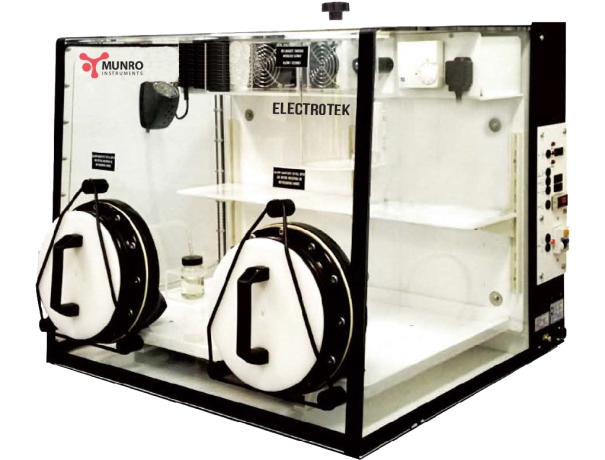
Anaerobic chambers are specialized laboratory equipment used to create an environment with low or no oxygen
Selecting the Right Laboratory Equipment
Choosing the right equipment involves several considerations to ensure it meets your lab's needs.
Assessing Your Needs
Determine the specific requirements of your research or diagnostic work. This will guide you in selecting equipment that fits your objectives.
Budget Considerations
Quality lab equipment can be expensive, but it's a worthwhile investment. Consider your budget and prioritize the equipment that will have the most significant impact on your research. Sometimes, it’s better to invest in a few high-quality pieces rather than spreading your budget too thin on multiple lower-quality items.
Quality and Reliability
When selecting lab equipment, opt for reputable brands known for their reliability and precision. Read reviews, consult with colleagues, and consider the equipment's longevity and performance history.
Maintenance and Care of Laboratory Equipment
Proper maintenance is essential to ensure the longevity and accuracy of your laboratory equipment. Regular upkeep can prevent breakdowns and maintain the integrity of your experiments.
Regular Calibration
Calibration ensures that your equipment provides accurate measurements. Regular calibration is necessary for instruments like spectrophotometers, balances, and PCR machines. Follow the manufacturer’s guidelines and schedule periodic calibrations.
Cleaning and Sterilization
Keeping your lab equipment clean and sterile is paramount, especially in microbiology, where contamination can compromise results. Autoclaves, incubators, and other frequently used tools should be cleaned and sterilized according to standard protocols.