Aerosol and Dust Monitors are essential tools for measuring particulate matter in the air. These devices help assess air quality by detecting dust, fumes, and fine particulate matter that could pose risks to human health and the environment. With advancements in technology, these monitors have become indispensable across various industries, ensuring compliance with safety standards and protecting public health.
Why use Aerosol and Dust Monitoring
Health and Safety Considerations
Particulate matter in the air is a leading cause of respiratory diseases and other health complications. Aerosol and Dust Monitors allow professionals to identify hazardous particles in real time, mitigating risks and promoting safer environments.
Regulatory Compliance and Environmental Protection
Governments and organizations worldwide mandate air quality monitoring to ensure compliance with safety standards. These monitors play a pivotal role in reducing industrial emissions and protecting ecosystems.
How Aerosol and Dust Monitors Work
Key Principles of Operation
These monitors operate by detecting particles in the air using light scattering, beta attenuation, or other advanced methods. The sensors classify particles based on size and concentration, providing valuable data for analysis.
Types of Sensors Used
Aerosol and Dust Monitors often use optical sensors, laser diffraction, or piezoelectric elements to detect and measure airborne particles with high precision.
Types of Aerosol and Dust Monitors
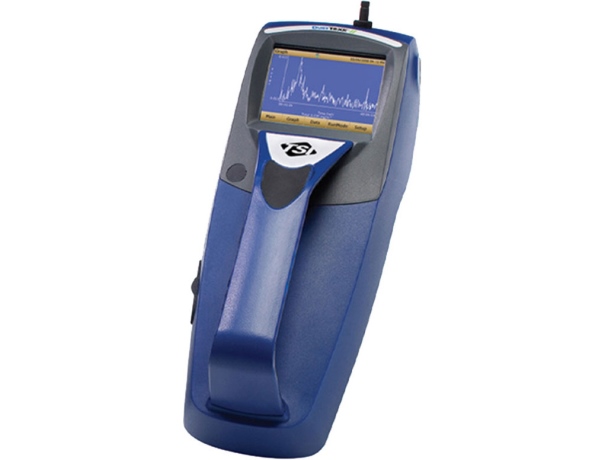
Handheld Monitors
Handheld devices are portable and convenient for on-the-spot measurements. They are commonly used in industrial inspections and fieldwork.
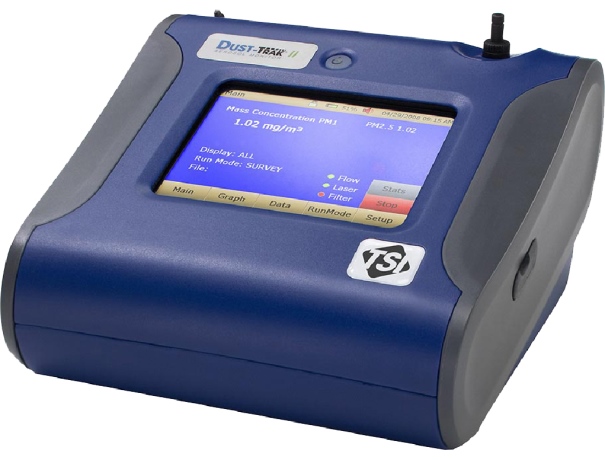
Fixed Monitors
Installed in strategic locations, fixed monitors provide continuous data on air quality, making them ideal for long-term monitoring in factories and urban areas.
Wearable Monitors
Designed for personal use, wearable monitors ensure individual safety by tracking exposure levels in real-time, particularly for workers in high-risk environments.
Features
Sensitivity and Accuracy
Accuracy is paramount in aerosol and dust monitoring. Choose devices with high sensitivity to ensure reliable data.
Data Logging and Connectivity
Modern monitors come equipped with data storage and connectivity features like Bluetooth and Wi-Fi, enabling seamless data transfer and analysis.
Applications Across Industries
Industrial Workplaces
Factories and construction sites utilize these monitors to maintain safe working conditions and adhere to occupational safety standards.
Healthcare Settings
Hospitals and laboratories rely on these devices to maintain sterile environments and monitor air quality for patient safety.
Environmental Research
Researchers use Aerosol and Dust Monitors to study air pollution and its effects on climate change and public health.
What is the primary purpose of Aerosol and Dust Monitors?
They measure particulate matter to ensure air quality and protect human health.
How often should these monitors be calibrated?
Calibration is recommended annually or as specified by the manufacturer.
Can these monitors detect all types of particulates?
Most devices detect a range of particle sizes but may have limitations based on sensor type.
Are handheld monitors as reliable as fixed monitors?
Handheld monitors provide accurate readings but are best suited for temporary assessments.
What industries benefit the most from these devices?
Industries like manufacturing, healthcare, and environmental research rely heavily on these monitors.
Do these devices require professional installation?
Fixed monitors may need professional setup, while handheld and wearable models are user-friendly.