Botany and agriculture in the UK operate in a highly regulated, research-oriented environment shaped by climate variability, strict quality standards, and a strong emphasis on sustainability. From academic institutions and government laboratories to commercial farms and horticultural operations, microscopes are essential tools for understanding plant biology, diagnosing diseases, and improving crop performance.
Microscopy allows professionals to observe plant structures, microorganisms, and pathological changes that are not visible to the naked eye. In the UK context, where efficiency, traceability, and compliance are critical, microscopes support precise decision-making that directly influences productivity and crop quality.
Why Microscopes Are Essential in UK Botany and Agriculture
The UK agricultural environment presents unique challenges, including high humidity, frequent rainfall, and seasonal fluctuations. These conditions increase the likelihood of fungal diseases, pest outbreaks, and soil-related issues. Microscopes enable:
- Early detection of plant diseases before large-scale spread
- Detailed examination of plant anatomy for research and breeding
- Accurate identification of pests, fungi, and bacteria
- Monitoring of soil microbiology and nutrient interactions
- Compliance with UK agricultural and environmental standards
By integrating microscopy into daily workflows, agricultural professionals can reduce losses, optimise inputs, and maintain consistent crop quality.
Microscopes for Agronomy and Forestry
Applications in Agronomy
Agronomy focuses on soil management and crop production. Microscopes are used to:
- Analyse soil microorganisms that influence fertility and nutrient cycling
- Examine root systems to evaluate nutrient uptake and plant health
- Study plant cell structures to assess stress responses and growth patterns
- Identify early symptoms of nutrient deficiencies or toxicities
In the UK, where soil composition varies significantly by region, microscopic analysis allows agronomists to adapt fertilisation and irrigation strategies with high precision.
Applications in Forestry
Forestry in the UK requires ongoing monitoring to protect woodland ecosystems and commercial timber resources. Microscopes support:
- Detection of fungal infections in bark and wood tissues
- Identification of pests and invasive organisms affecting tree health
- Analysis of wood structure and growth patterns
- Evaluation of environmental stress impacts such as pollution or climate change
Microscopy is essential for maintaining forest health, supporting biodiversity, and ensuring sustainable timber production.
Recommended Microscope Types
- Compound microscopes for cellular and tissue-level analysis
- Stereo microscopes for examining roots, leaves, and insects
- Digital microscopes for documentation and remote collaboration
Microscopes for Horticulture
Horticulture in the UK includes greenhouse production, ornamental plants, fruits, and vegetables. High standards of quality and uniformity make microscopy a key part of daily operations.
Key Uses in Horticulture
- Identification of pests such as aphids, mites, and thrips
- Monitoring plant tissue cultures in propagation laboratories
- Examination of pollen viability for breeding and hybridisation
- Detection of fungal spores and early-stage infections
Microscopes enable horticulturists to take rapid action, preventing issues that could affect high-value crops.
Importance in the UK Context
The UK horticulture sector must maintain high output quality while managing climate-related risks. Microscopy supports:
- Integrated pest management strategies
- Reduced dependence on chemical treatments
- Improved consistency in plant growth and development
- Higher success rates in propagation and cultivation
Suitable Microscope Types
- Stereo microscopes for inspection and pest identification
- Compound microscopes for detailed cellular studies
- Inverted microscopes for tissue culture and laboratory work
Microscopes for Plant Pathology
Plant pathology is a critical discipline in UK agriculture due to the constant threat of diseases that can impact crop yields and food supply chains.
Core Applications
- Identification of fungal spores, bacteria, and viruses
- Diagnosis of plant diseases at early stages
- Study of pathogen development and life cycles
- Monitoring effectiveness of treatments and resistance
Microscopes are indispensable for both laboratory diagnostics and field-based investigations.
UK-Specific Relevance
The UK climate provides favourable conditions for many plant pathogens. Microscopy enables:
- Rapid detection and response to crop diseases such as rusts, blights, and mildews
- Support for national biosecurity and plant protection measures
- Development of disease-resistant crop varieties
- Protection of commercial agriculture and natural ecosystems
Recommended Microscope Types
- High-resolution compound microscopes for pathogen identification
- Phase contrast microscopes for observing transparent specimens
- Fluorescence microscopes for advanced research applications
Choosing the Right Microscope for Botany and Agriculture
Selecting the appropriate microscope depends on the intended application and level of analysis required. In the UK market, key considerations include:
- Optical quality and magnification range
- Suitability for laboratory or field conditions
- Digital imaging capabilities for reporting and compliance
- Ergonomic design for extended use
- Compatibility with advanced techniques such as fluorescence or phase contrast
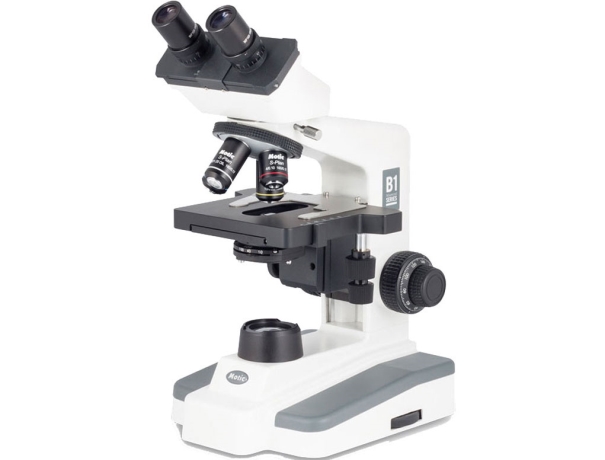
MUNRO is a leading UK supplier of Botany and Agriculture Microscopes.