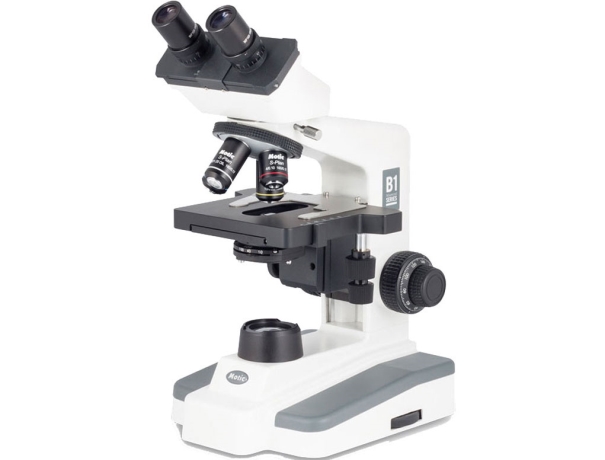
The United Kingdom operates under strict environmental regulations, advanced research frameworks, and continuous monitoring requirements driven by agencies such as the Environment Agency, DEFRA, and local authorities. In this context, microscopes are essential analytical tools across ecological studies, field research, water and soil treatment, and industrial environmental control. They enable professionals to detect, analyze, and document microscopic structures, contaminants, and biological activity that cannot be identified through visual inspection alone.
From academic laboratories to on-site field operations, microscopy supports accurate decision-making, regulatory compliance, and environmental sustainability across the UK.
Why Microscopes Are Critical in the UK Environmental Sector
The UK climate, characterized by frequent rainfall, high humidity, and diverse ecosystems, creates ideal conditions for microbial growth, soil variability, and water contamination risks. Environmental monitoring therefore requires high-resolution analysis tools capable of identifying:
- Microorganisms in water and soil
- Structural changes in plant and organic materials
- Particulate contamination such as asbestos fibers
- Industrial residues in drilling fluids and sludge
Microscopes provide this level of precision, allowing professionals to comply with UK environmental standards such as ISO testing protocols, water quality regulations, and asbestos safety legislation.
Microscopes for Ecological Research
Ecological research in the UK spans forests, wetlands, agricultural zones, and marine environments. Microscopes are essential for studying biodiversity, ecosystem health, and environmental change.
Key Applications:
- Identification of microorganisms such as algae, fungi, and protozoa
- Analysis of plant cell structures and tissue health
- Monitoring biodiversity in freshwater and soil ecosystems
- Detection of invasive or harmful species
Recommended Microscope Types:
- Biological microscopes for cellular and microbial observation
- Fluorescence microscopes for advanced biological tracking
- Digital microscopes for image capture and documentation
Microscopy enables researchers to detect early ecological changes, which is critical in the UK where conservation and environmental protection are tightly regulated.
Microscopes for Field Research
Field research often requires portable, durable, and easy-to-use microscopy solutions that can operate in remote or outdoor environments.
Key Applications:
- On-site sample analysis without laboratory delays
- Rapid identification of contaminants or organisms
- Verification of environmental conditions in real time
Recommended Microscope Types:
- Portable digital microscopes
- Battery-operated microscopes
- Handheld microscopes with imaging capabilities
In the UK, where environmental inspections and site assessments are frequent, field microscopes significantly improve efficiency and reduce turnaround time for decision-making.
Microscopes for Water Treatment
Water quality control is a major priority in the UK due to strict drinking water standards and wastewater treatment regulations.
Key Applications:
- Detection of bacteria, protozoa, and algae in water systems
- Monitoring sludge and biofilm development
- Evaluating filtration and purification efficiency
- Identifying contaminants in wastewater treatment plants
Recommended Microscope Types:
- Phase contrast microscopes for live microorganism observation
- Inverted microscopes for liquid sample analysis
- Digital microscopes for reporting and compliance documentation
Microscopy plays a vital role in ensuring water safety, helping facilities meet UK regulatory requirements and prevent public health risks.
Microscopes for Soil Treatment
Soil analysis is essential in agriculture, construction, and environmental remediation projects across the UK.
Key Applications:
- Examination of soil composition and particle structure
- Identification of microorganisms affecting soil fertility
- Detection of pollutants and chemical residues
- Assessment of soil remediation effectiveness
Recommended Microscope Types:
- Stereo microscopes for surface and particle analysis
- Polarizing microscopes for mineral identification
- Digital microscopes for documentation
Given the UK's diverse soil types and environmental regulations, microscopy ensures accurate soil assessment and supports sustainable land management.
Microscopes for Asbestos Analysis
Asbestos monitoring is strictly regulated in the UK due to serious health risks. Microscopy is the primary method for identifying asbestos fibers in environmental and industrial samples.
Key Applications:
- Detection and classification of asbestos fibers
- Airborne fiber monitoring
- Analysis of building materials and contaminated sites
Recommended Microscope Types:
- Polarized light microscopes (PLM)
- Phase contrast microscopes (PCM) for airborne fiber counting
Microscopes are essential for compliance with UK asbestos regulations, ensuring safe handling, removal, and environmental protection.
Microscopes for Mud Drilling Analysis
Mud drilling is widely used in construction, geotechnical engineering, and oil-related applications. In the UK, environmental control and efficiency are critical in these operations.
Key Applications:
- Analysis of drilling fluid composition
- Detection of contaminants and particulate matter
- Monitoring viscosity-related structures at micro level
- Evaluating drilling performance and environmental impact
Recommended Microscope Types:
- Stereo microscopes for particle inspection
- Digital microscopes for real-time analysis
- Metallurgical microscopes for detailed material examination
Microscopy helps optimize drilling processes while ensuring compliance with environmental standards and minimizing ecological impact.
Choosing the Right Microscope for Environmental Applications in the UK
Selecting the correct microscope depends on several factors:
- Type of sample (water, soil, air, biological material)
- Required magnification and resolution
- Laboratory vs field use
- Compliance with UK regulatory standards
- Need for digital imaging and reporting
In many UK applications, combining multiple microscope types provides the most accurate and reliable results.